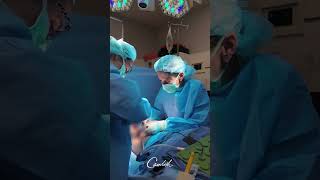
At The Practice Healthcare, breast reduction surgery, also called reduction mammaplasty, is planned around two questions: what the weight of your breasts is doing to your body, and what shape you want afterward.
Grooves from bra straps, neck and shoulder pain, rashes under the breast fold, and skipped workouts are among the reasons patients look into breast reduction in Beverly Hills, and when those symptoms are documented, insurers may consider the procedure medically necessary.
Our surgeons perform breast reduction in Los Angeles at our on-site surgery center on Bedford Drive, and our patient advocates can check your benefits before your procedure.


Breast reduction surgery removes excess breast tissue and skin, then reshapes and lifts the breast, and your surgeon may also use liposuction to remove fat.
Depending on how much tissue is removed and how much your breasts sag, your surgeon may recommend either the anchor or the lollipop technique, and each leaves a different pattern of breast reduction scars. Additional surgery may still be needed to refine your results or address complications.
An anchor breast reduction uses incisions around the areola (the pigmented skin around the nipple), straight down to the breast crease, and along the crease.
Surgeons typically recommend the anchor technique when a large amount of tissue is removed, or the breasts sag considerably, and the main limitation is that the incisions leave more scarring than those of a lollipop breast reduction.
A lollipop breast reduction uses incisions around the areola and straight down to the breast crease, with no incision along the crease. Surgeons may recommend the lollipop technique for a moderate reduction or moderate sagging, and the incisions leave moderate scarring.
Our surgeons use GalaFLEX, an absorbable mesh that dissolves over about 18 to 24 months, in selected breast reductions to support breast tissue. For some patients, Dr. Cassileth also combines breast reduction with her Pocket Lift, a technique that repositions breast tissue to add lift and upper-breast fullness.
Men with gynecomastia, an enlargement of breast tissue, may have the enlarged tissue reduced with gynecomastia surgery.
Three surgeons perform breast reduction at The Practice Healthcare. Each breast reduction surgeon on our team is trained differently and focuses on different areas of breast surgery.
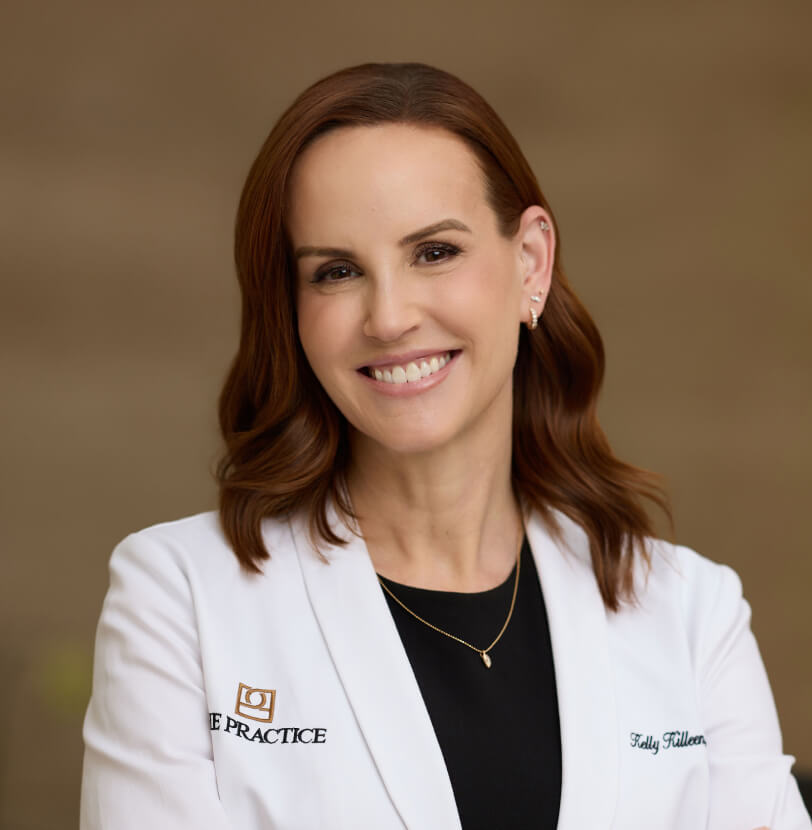
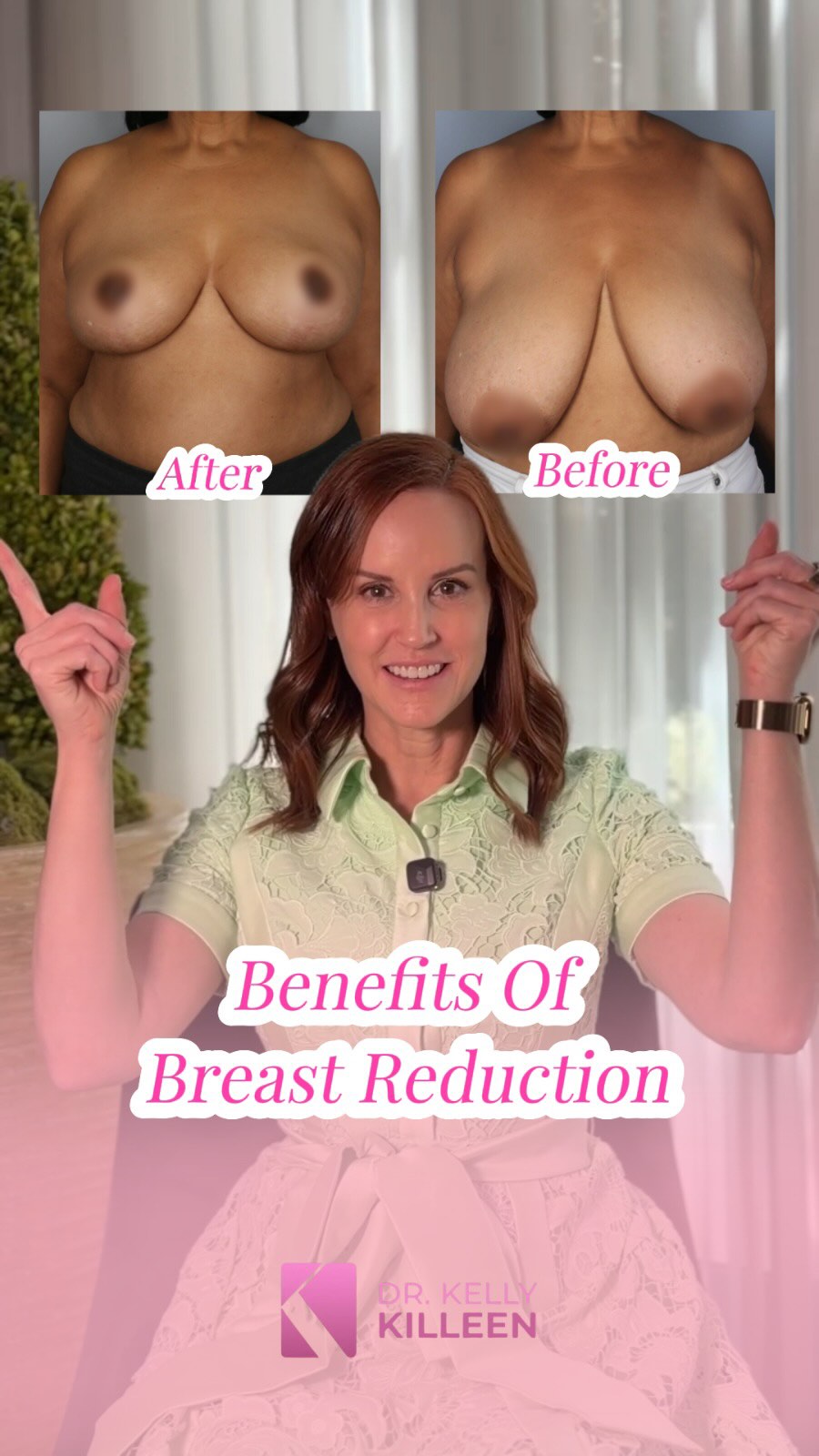
Dr. Killeen is double board-certified in plastic surgery and general surgery, and her specialties include breast reduction. She was featured on Good Morning America in a segment on women choosing breast reduction.
Book with Dr. Killeen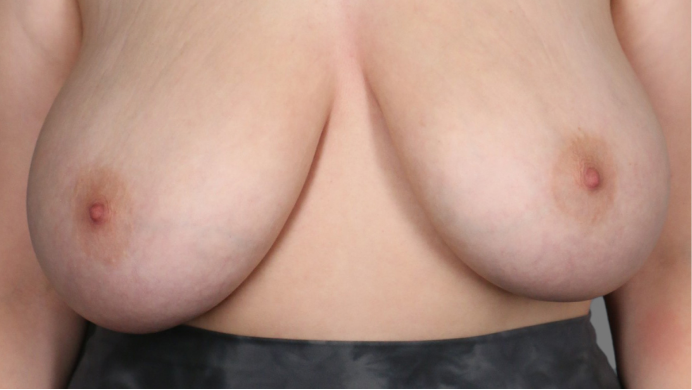 Before
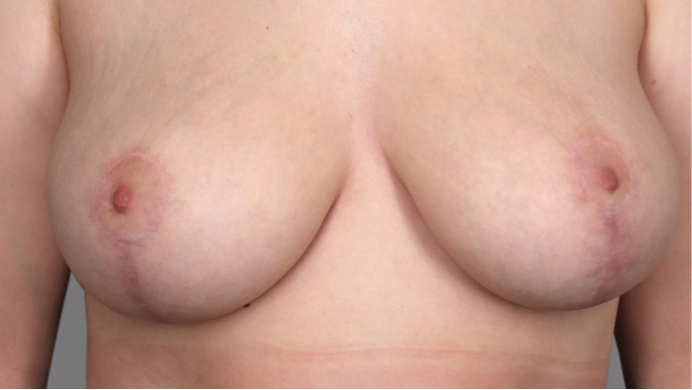 After

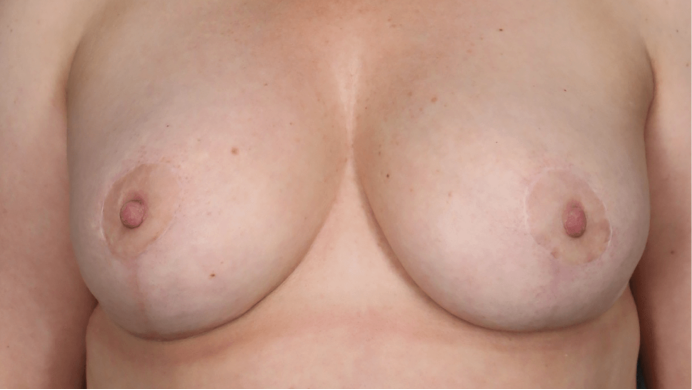
Dr. Cassileth, a board-certified plastic surgeon trained at the University of Pennsylvania, is the founder and CEO of The Practice Healthcare. She was the first woman to serve as Chief of Plastic Surgery at Cedars-Sinai Medical Center, and her techniques include the Pocket Lift.
Book with Dr. Cassileth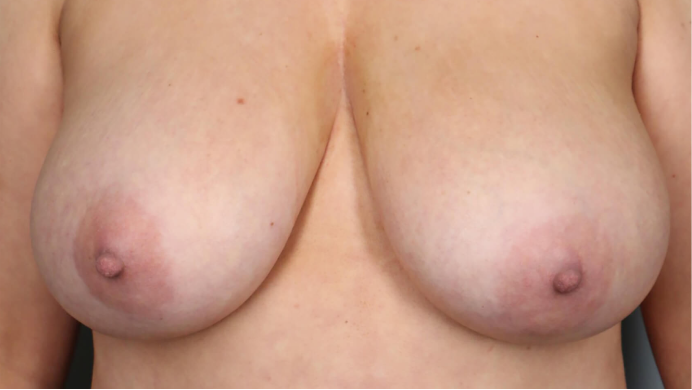 Before
 After

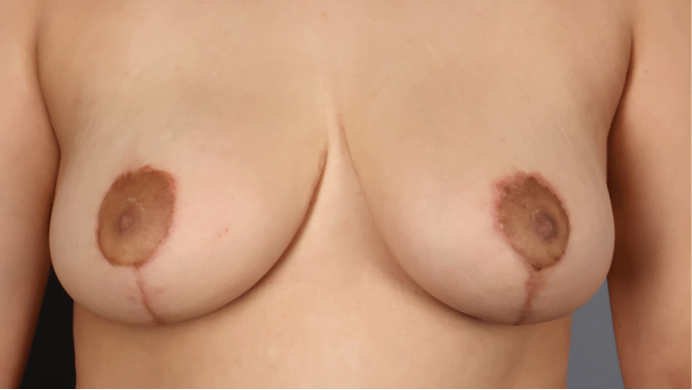
Dr. Azadgoli is board-certified by the American Board of Plastic Surgery and completed medical school and residency at the University of Southern California. Her breast surgery specialties include reduction, augmentation, implant revision, and direct-to-implant reconstruction.
Book with Dr. Azadgoli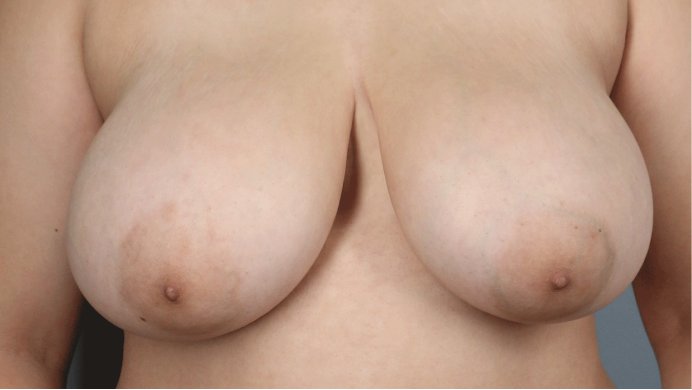 Before
 After

Your plan may cover breast reduction surgery when the procedure meets the plan’s medical-necessity criteria, and your insurer makes the final decision. You can take our insurance quiz to see where you stand. take our insurance quiz to see where you stand.
Criteria vary by plan, and Aetna’s Clinical Policy Bulletin 0017 (last reviewed October 26, 2026) is one example.
Aetna uses the Schnur Sliding Scale, a chart that sets the minimum tissue weight by body surface area.
The minimum is 199 grams per breast at 1.35 m², rising to 1,000 grams at 2.30 m² or more, and removing more than 1 kilogram per breast meets the requirement at any body surface area.
When insurance is paying, your surgeon plans to remove at least the minimum, which may limit how much breast tissue remains. Aetna considers reduction mammaplasty cosmetic for patients without symptoms and does not cover liposuction-only reduction, which Aetna considers experimental, investigational, or unproven.
UnitedHealthcare policy MP.004.32 (effective June 1, 2026) states that most plans exclude breast reduction unless the Women’s Health and Cancer Rights Act, which requires coverage of post-mastectomy reconstructive surgery, applies. Our advocates can check your plan for this exclusion.

Your breast reduction in Beverly Hills takes place in our independent ambulatory surgery center on Bedford Drive, which Newsweek recognized as one of California's top ambulatory surgery centers.
Our Surgery Center →Breast reduction cost depends on the technique and whether insurance applies. For the national average, see the cost question in our FAQs below. Financing is available through Cherry, our exclusive financing partner.
In a breast reduction vs. breast lift comparison, size is the main difference. A breast reduction removes tissue and skin, lifts the breast, and may qualify for insurance coverage. A breast lift raises and reshapes the breast without a major change in size. Dr. Cassileth’s Pocket Lift repositions breast tissue without implants.
Hyperbaric oxygen therapy, which increases the oxygen delivered to healing tissue, is available as an optional part of recovery. Ask your surgeon whether hyperbaric oxygen therapy is appropriate for you.

Breast reduction recovery generally follows this pattern, based on ASPS guidance. Your surgeon gives you a timeline for your own procedure.
Breastfeeding after breast reduction is possible for many patients but cannot be guaranteed.
A 2023 systematic review of 33 studies in Aesthetic Plastic Surgery found an overall success rate of 62%, varying with the pedicle, the tissue that keeps the nipple connected to its blood supply: 64% for the inferior pedicle, 59% for the superior pedicle, and 55% for the lateral pedicle.
Women who had breast reduction had higher odds of unsuccessful breastfeeding than similar women who had not. If you plan to breastfeed, tell your surgeon at your consultation.
Nipple sensation may change, temporarily or permanently, and improves over time in most patients. For extremely large breasts, the nipple may be detached and repositioned higher, a step that causes loss of sensation and may affect breastfeeding.
Risks include delayed wound healing, loss of skin or tissue where the incisions meet, fat necrosis (death of fatty tissue deep in the skin), changes in sensation, asymmetry, unfavorable scarring, bleeding, and infection. Your surgeon reviews these risks with you before surgery.

Patients get not only the benefit of getting smaller breasts that fit their overall aesthetic, they get the benefits of less neck pain, back pain, and headaches.
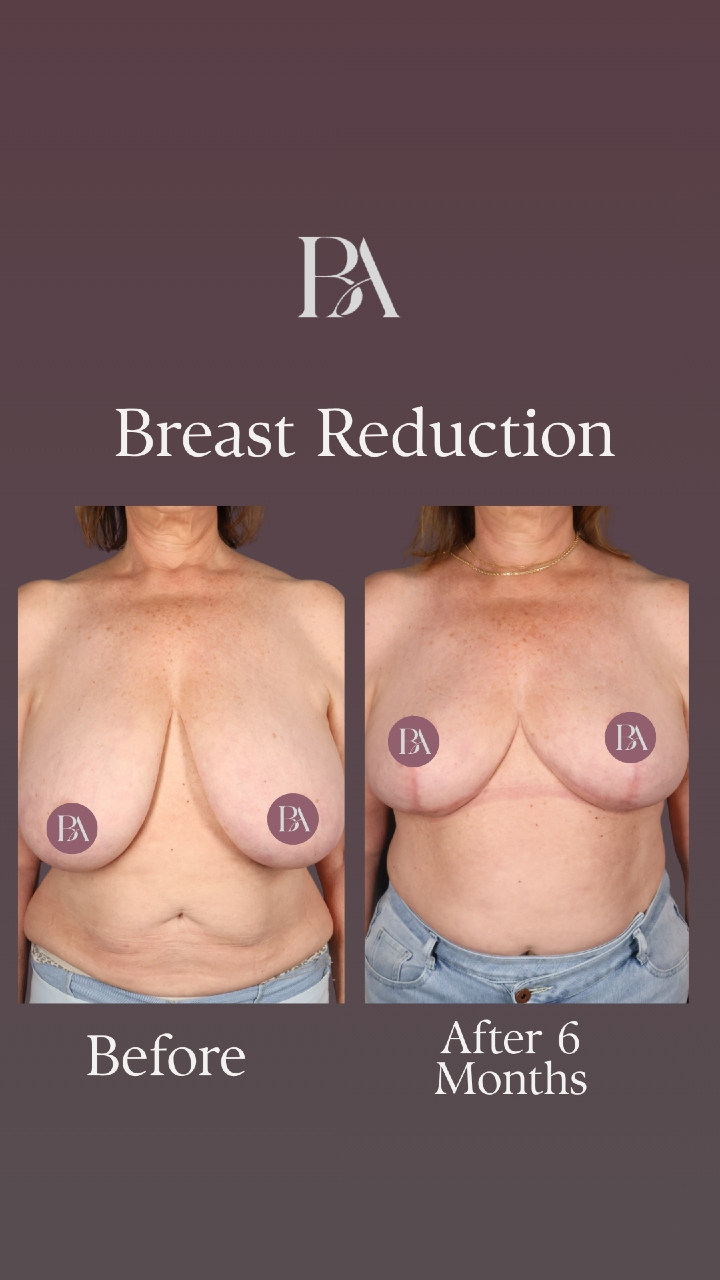
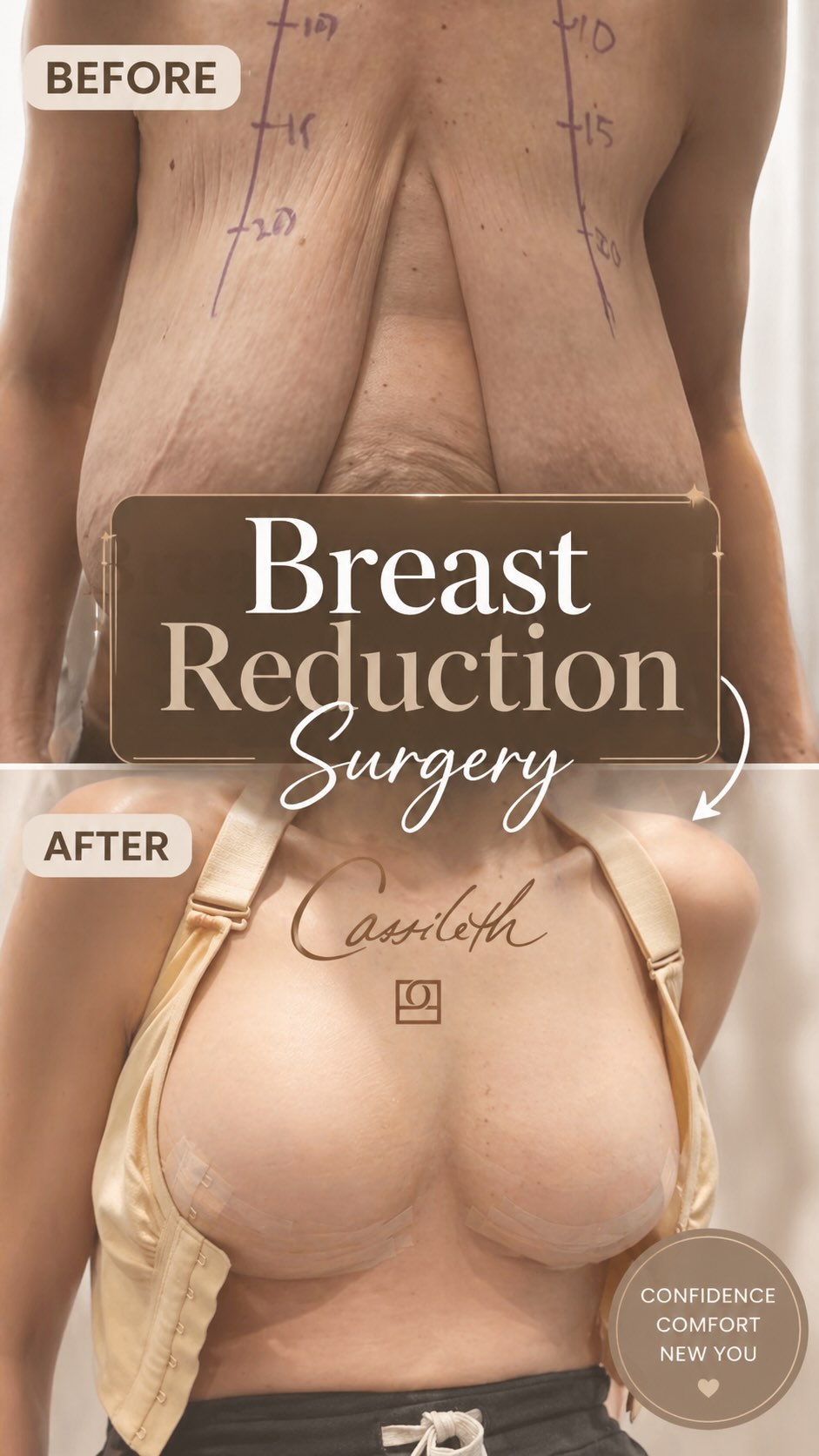
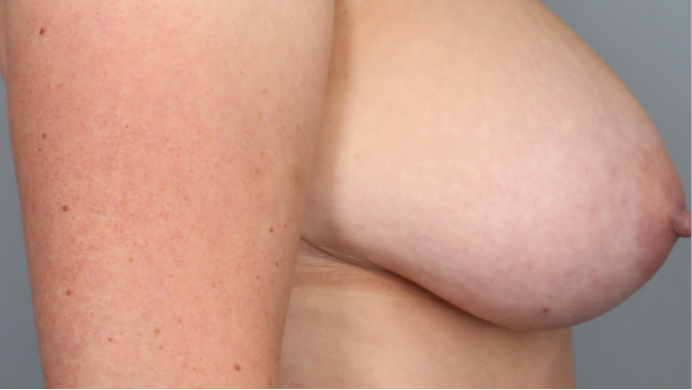
These breast reduction before and after photos show patients treated at The Practice Healthcare, and each caption names the procedure and the surgeon. The same results may not occur for all patients.
Results vary from patient to patient.
Before
After
 Before
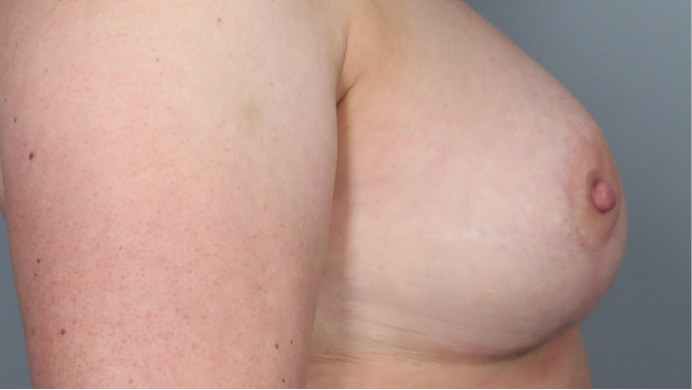 After
Before
After
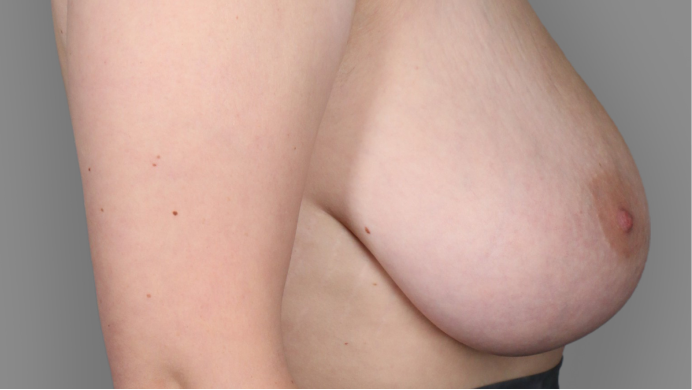 Before
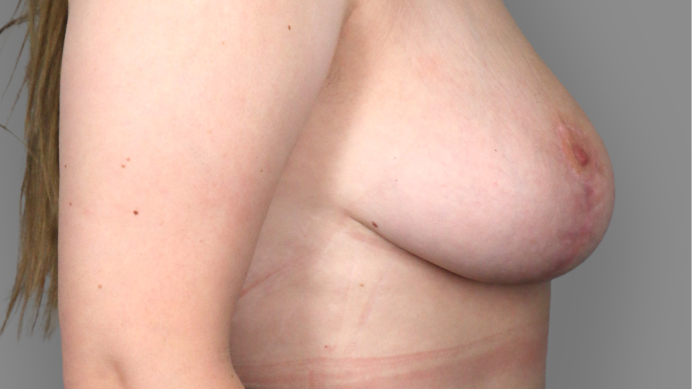 After
Before
After
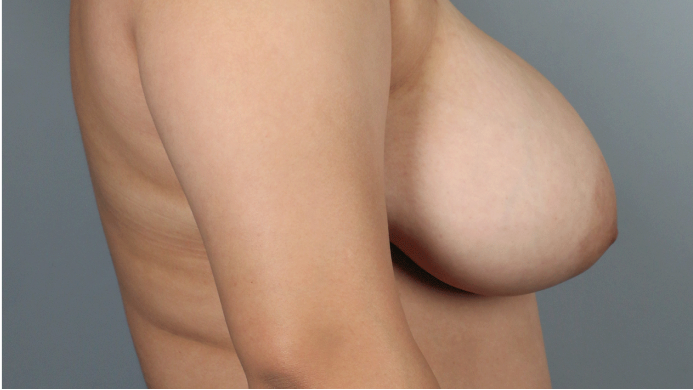 Before
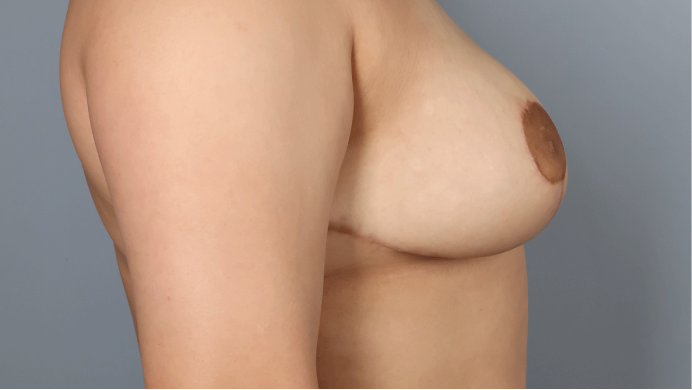 After

Coverage depends on your plan, your documentation, and your insurer's decision. Take the insurance quiz to see where you stand, or book a consultation with a breast reduction surgeon in Beverly Hills to have your symptoms and plan reviewed.
Breast reduction surgery, also called reduction mammaplasty, removes excess breast tissue and skin, then reshapes and lifts the breast, and your surgeon may also use liposuction to remove fat. Patients may consider the procedure for neck, shoulder, or upper-back pain. Additional surgery may still be needed to refine your results or address complications.
Insurance may cover breast reduction when medically necessary and your plan includes the benefit. Aetna’s breast reduction insurance criteria, for example, include documented symptoms lasting at least a year, a trial of other treatment, and a minimum amount of tissue removed. Some plans exclude breast reduction, and your insurer makes the final decision.
The minimum depends on your insurer and your body surface area. The Schnur Sliding Scale, which Aetna uses, sets the minimum at 199 grams per breast at 1.35 m², rising to 1,000 grams at 2.30 m² or more. Removing more than 1 kilogram per breast meets the requirement at any size.
Your choice may be limited. When insurance is paying, your surgeon plans to remove at least your plan’s minimum amount of tissue, and that minimum may limit how much breast tissue remains. Your surgeon explains the limitation before you decide, and you can discuss your goals at your consultation.
The American Society of Plastic Surgeons lists $7,800 as the national average surgeon’s fee for breast reduction in aesthetic patients, which excludes anesthesia, operating-room facilities, and other related expenses. Breast reduction cost in Beverly Hills depends on the technique and whether insurance applies, and you receive a written estimate.
An anchor breast reduction uses incisions around the areola, down to the breast crease, and along the crease, while a lollipop breast reduction omits the incision along the crease. Surgeons typically recommend the anchor technique for a large reduction or considerable sagging, and may recommend the lollipop technique for a moderate reduction.
Breast reduction scars follow the incisions. An anchor breast reduction leaves scars around the areola, down the breast, and along the crease, and a lollipop breast reduction leaves them around the areola and down the breast. The American Society of Plastic Surgeons suggests discussing scars with your surgeon at about six weeks.
A breast reduction removes tissue and skin, lifts the breast, and makes the breast smaller, and the procedure may qualify for insurance coverage. A breast lift raises and reshapes the breast without a major change in size. At your consultation, your surgeon assesses which procedure best matches your anatomy and goals.
Breastfeeding after breast reduction is possible for many patients but cannot be guaranteed. A 2023 systematic review of 33 studies found a 62% overall success rate, and women who had breast reduction had higher odds of unsuccessful breastfeeding than similar women who had not. If you plan to breastfeed, tell your surgeon at your consultation.
Breast reduction recovery varies from patient to patient. The American Society of Plastic Surgeons describes limited activity in the first week, a return to work for many patients in weeks two to three, and gradually increased activity in weeks four to five. Full recovery can take several months.
Dr. Lisa Cassileth, Dr. Kelly Killeen, and Dr. Beina Azadgoli each perform breast reduction at The Practice Healthcare, and our before and after gallery shows cases from all three. Your consultation with a breast reduction surgeon in Beverly Hills begins with your symptoms and goals, and your surgeon recommends a technique.
The Practice Healthcare performs breast reduction at 436 N. Bedford Dr, Suite 103, Beverly Hills, CA 90210, in our on-site surgery center. Patients seeking breast reduction in Los Angeles can call (310) 278-8200 to book a consultation; our office is open Monday to Friday, 9 a.m. to 5 p.m.