A breast that has gone firm, sits higher than it did, or aches when you lie down is unsettling and easy to put off. But they can be symptoms of capsular contracture, which rarely settles on its own. It also gets harder to correct the longer it is left.
The hard part is often not the first operation. It is the second. Patients come to us having had a capsule released or an implant swapped elsewhere, only for the breast to tighten again within a year. That is why capsular contracture treatment in Beverly Hills at The Practice Healthcare begins with what caused it.


Capsular contracture treatment depends on the grade, on what was done before, and on whether you want to keep implants at all. These are the options we discuss.
At Grade I or II, sometimes. At Grade III or IV, rarely. Some surgeons prescribe leukotriene inhibitors off label to soften an early capsule, and when appropriate, your surgeon prescribes and monitors it rather than you arranging it yourself.
Closed capsulotomy, which means squeezing the breast hard enough to break the capsule from outside, is no longer recommended. It can rupture the implant and cause bleeding into the pocket.
The capsule is cut and released rather than removed, which gives the implant room to settle back into place. It is a smaller operation with a quicker recovery. Because the capsule stays in the body, though, contracture is more likely to return, so we use this one selectively.
The surgeon removes the hardened capsule entirely. This operation treats the cause rather than the symptom, and we do it in most cases. Since the capsule wraps around the implant, we remove the implant with it and insert a new one.
The capsule and the implant are removed together as one sealed unit, with the capsule never opened. That makes it a bigger operation, so we reserve it for specific situations, with suspected rupture being the most common.
Some patients decide they are finished with implants. That is a reasonable ending rather than a failed one, and we perform it, often with a lift at the same time to restore shape.
Recurrence usually comes down to one thing. If the same implant goes back into the same pocket, most of the conditions that caused the contracture remain.
Our approach to capsular contracture treatment in Beverly Hills changes all of them in one operation. We remove the capsule rather than release it, and place a new implant, so anything living on the surface of the old one leaves with it. The pocket is reassessed and reinforced with internal support where that helps, and the cause is treated alongside the result.
The Practice Healthcare reports a 95% success rate with this protocol.

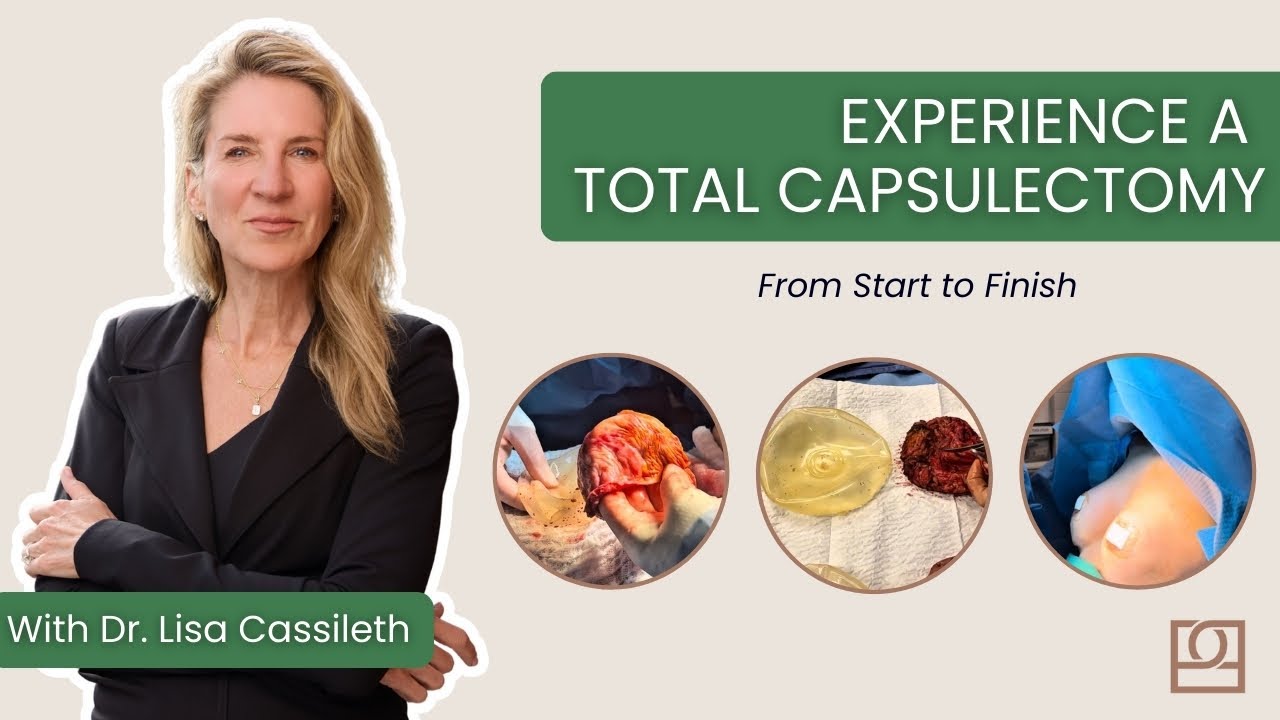
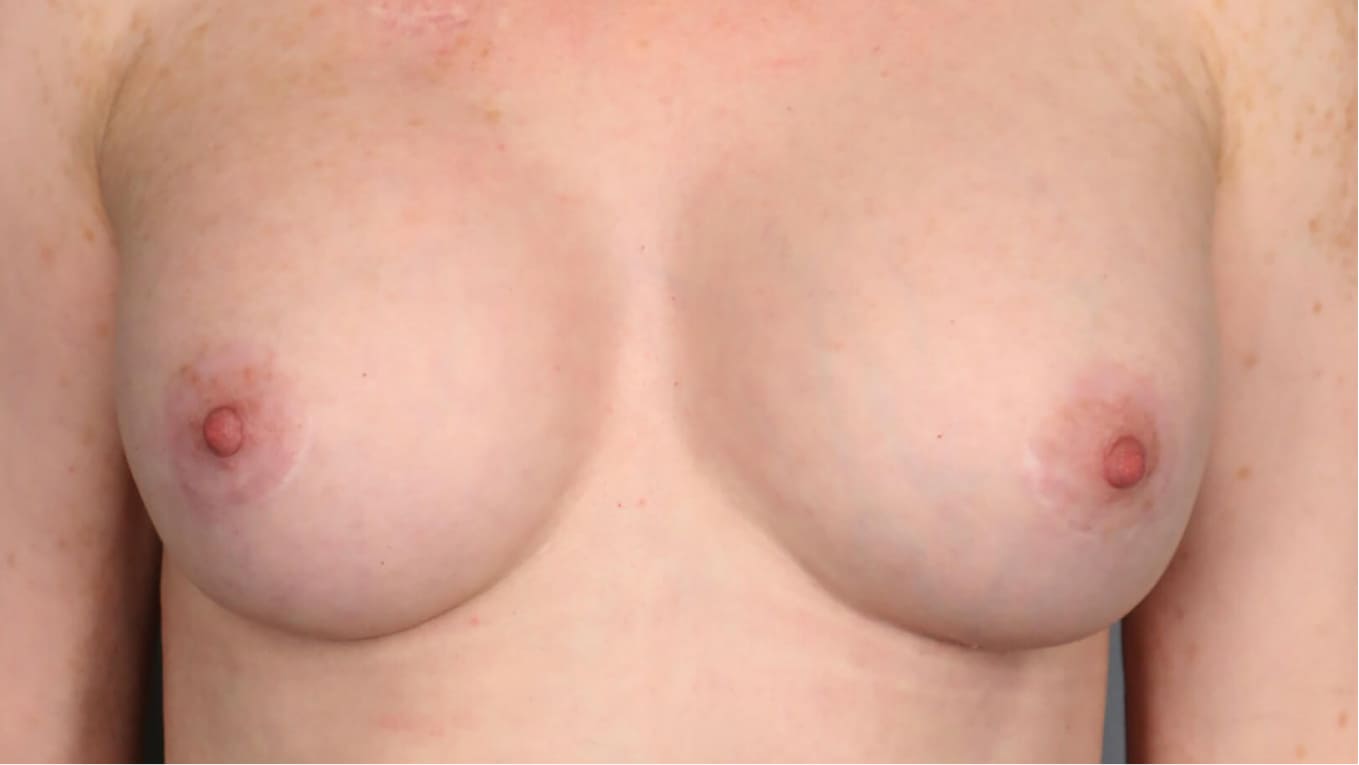
Dr. Cassileth founded The Practice in 2003 and developed the capsular contracture method used here, along with the Pocket Lift and the SWIM flap. She is board-certified, trained at the University of Pennsylvania, and was the first female Chief of Plastic Surgery at Cedars-Sinai Medical Center, where she served two consecutive terms.
Book with Dr. Cassileth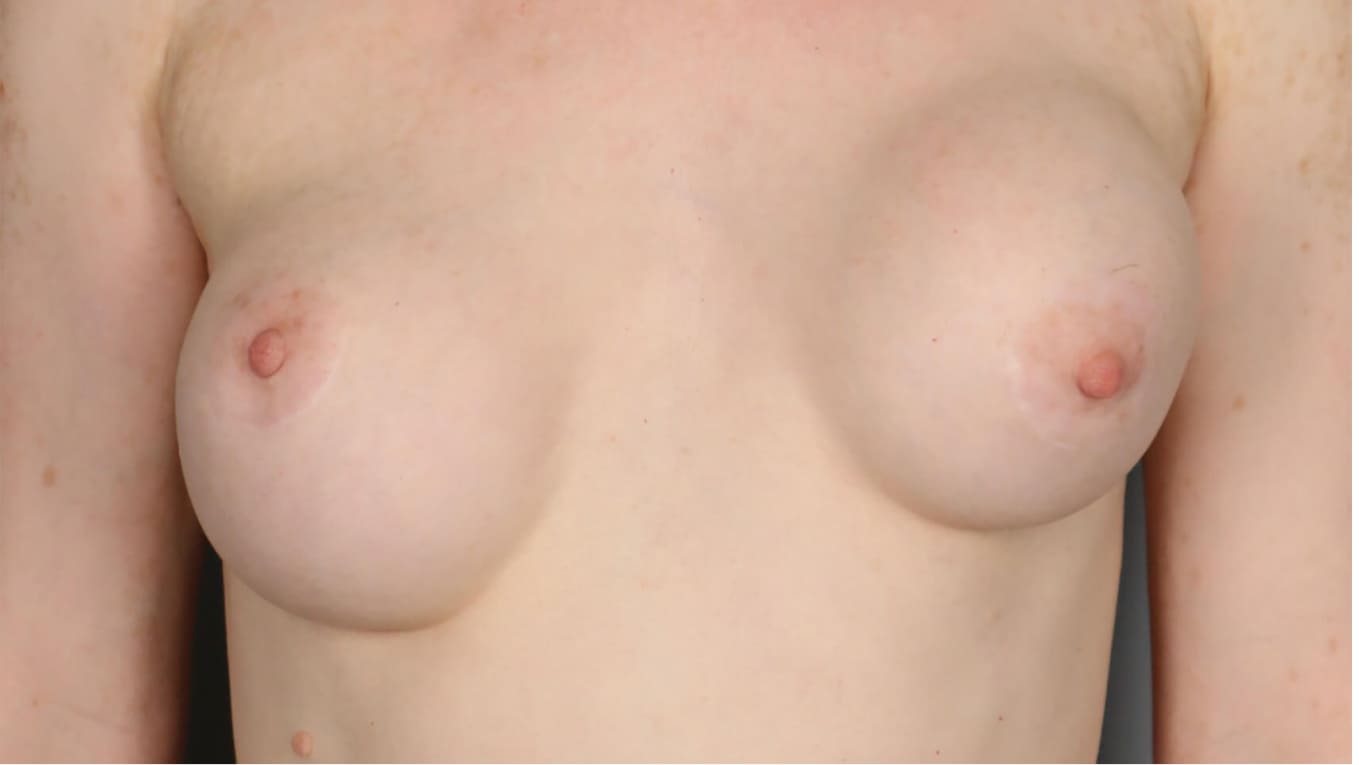 Before
 After
After
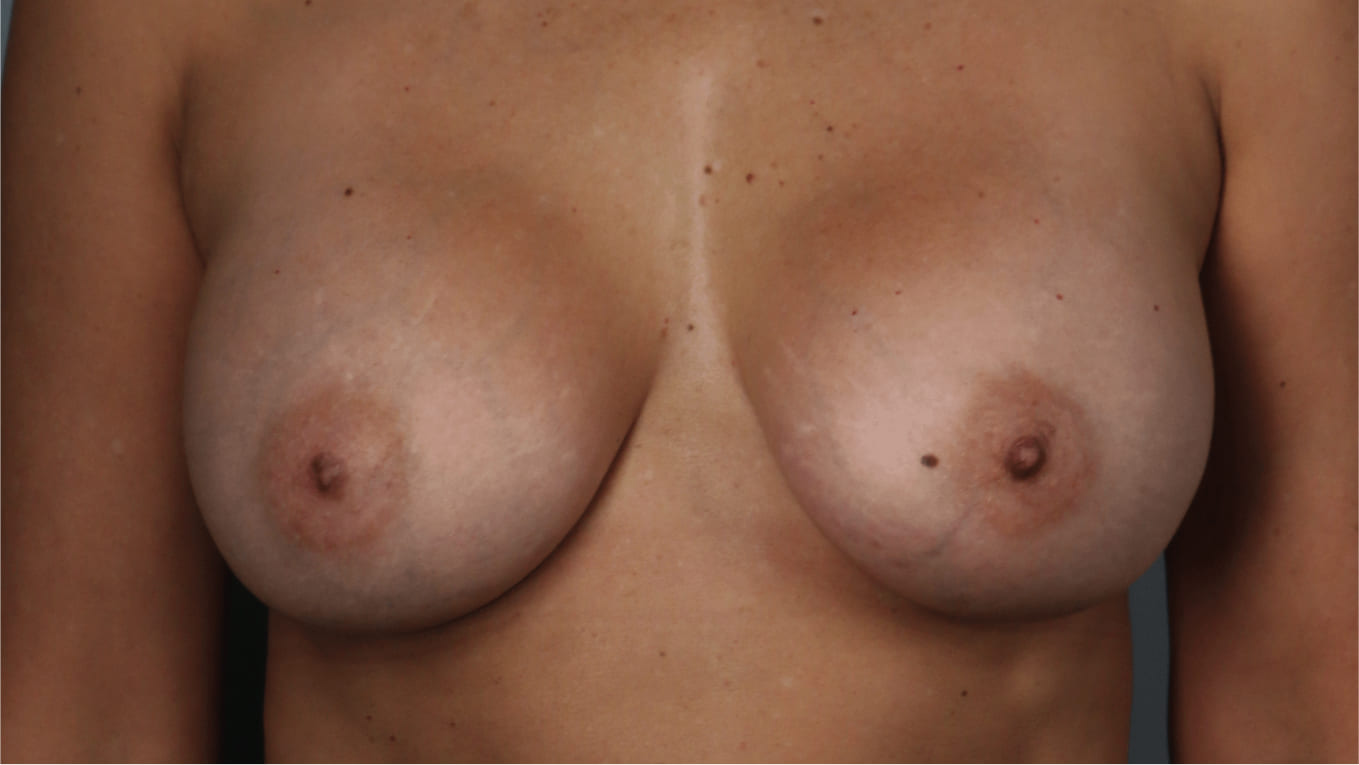
Dr. Killeen is double board-certified in plastic surgery and general surgery, and complex capsular contracture is one of her core specialties. She is a principal investigator on multiple FDA clinical trials and a peer reviewer for leading plastic surgery journals.
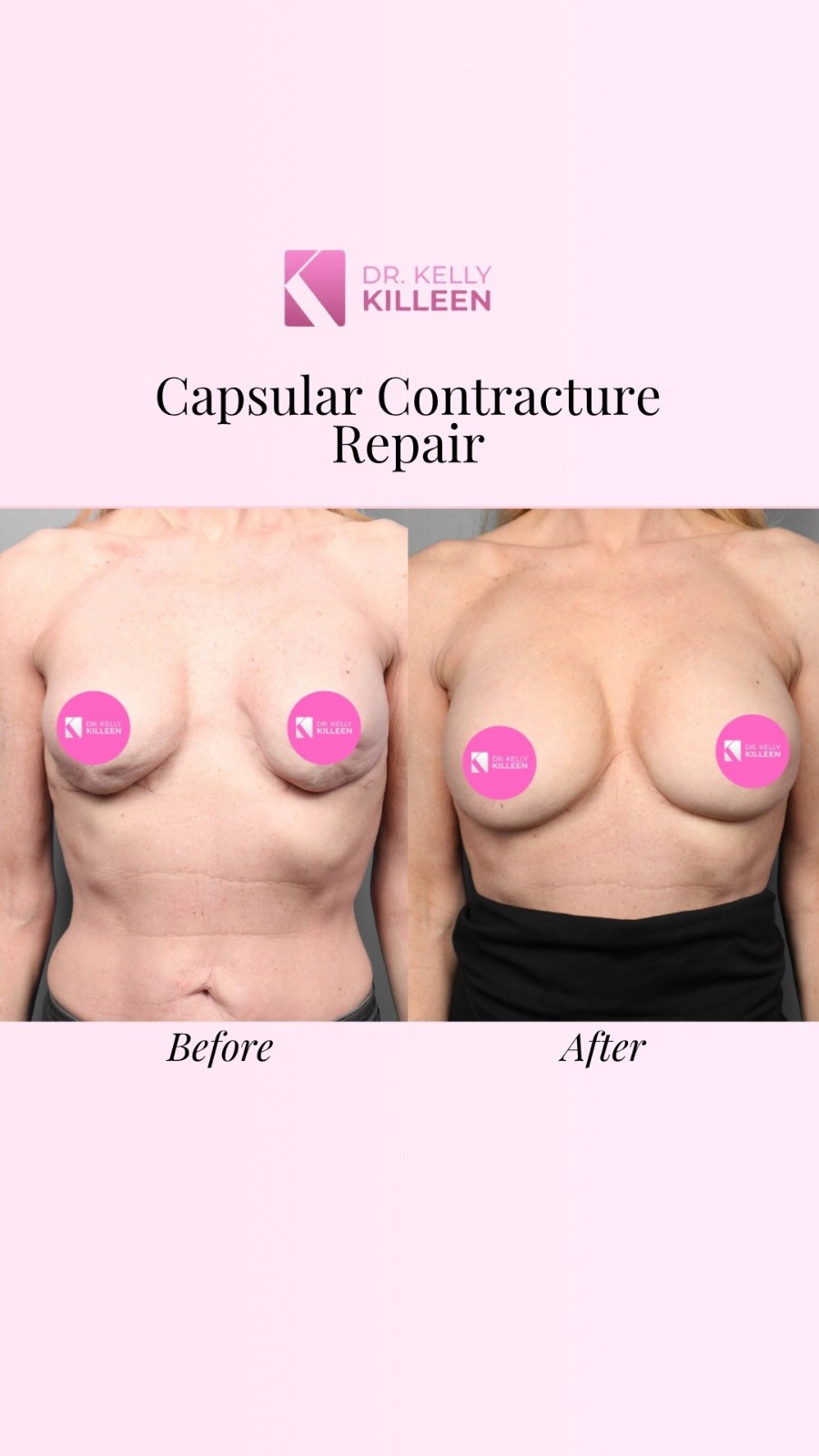
Book with Dr. Killeen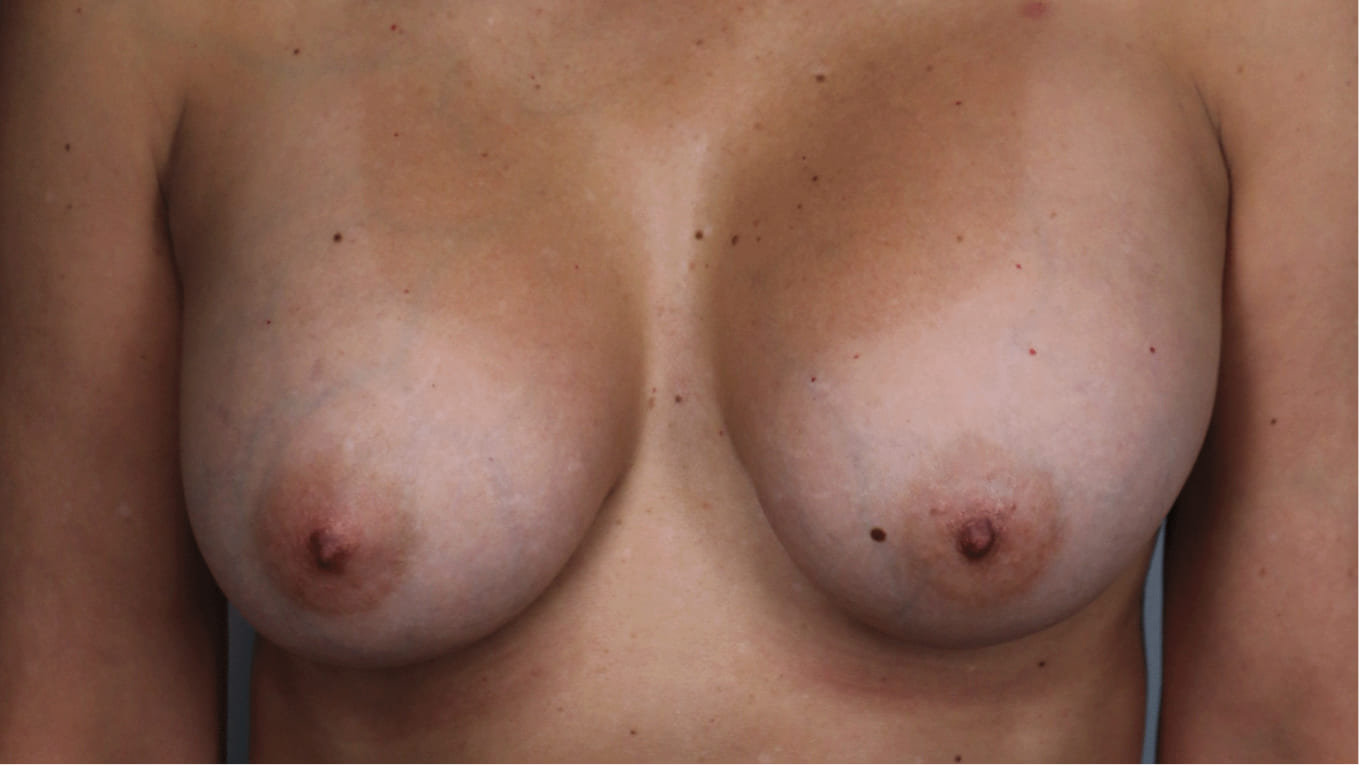 Before
 After
After
Both surgeons accept referrals for cases already operated on elsewhere.
Sometimes, and more often than patients expect. Capsular contracture is a medical complication rather than a cosmetic concern, so coverage is most likely if the original surgery was reconstruction or the contracture is causing documented pain.
The Practice Healthcare accepts many insurance plans, and our team reviews your benefits before your procedure so you won't have to guess the cost.
Your surgery happens in our own building, in an independent, Medicare-certified ambulatory surgery center. Newsweek has recognized it as one of California's top ambulatory surgery centers among independent, privately owned centers.
Expect more soreness than after a first-time augmentation, since more work has been done inside the pocket. Drains, if used, usually come out within the first week. Most patients are back at a desk in about a week, wear compression for roughly six weeks, and see the shape settle between three and six months.
Follow-up carries on past that point for a reason. If contracture starts to return, it is far easier to manage early than late.

Quote to be supplied by Dr. Cassileth or Dr. Killeen on why contracture recurs. Must be original to this page. Do not reuse the quote currently published on drcassileth.com.
The Practice Healthcare treated every case below, and each one names the surgeon who performed it.
Before
After
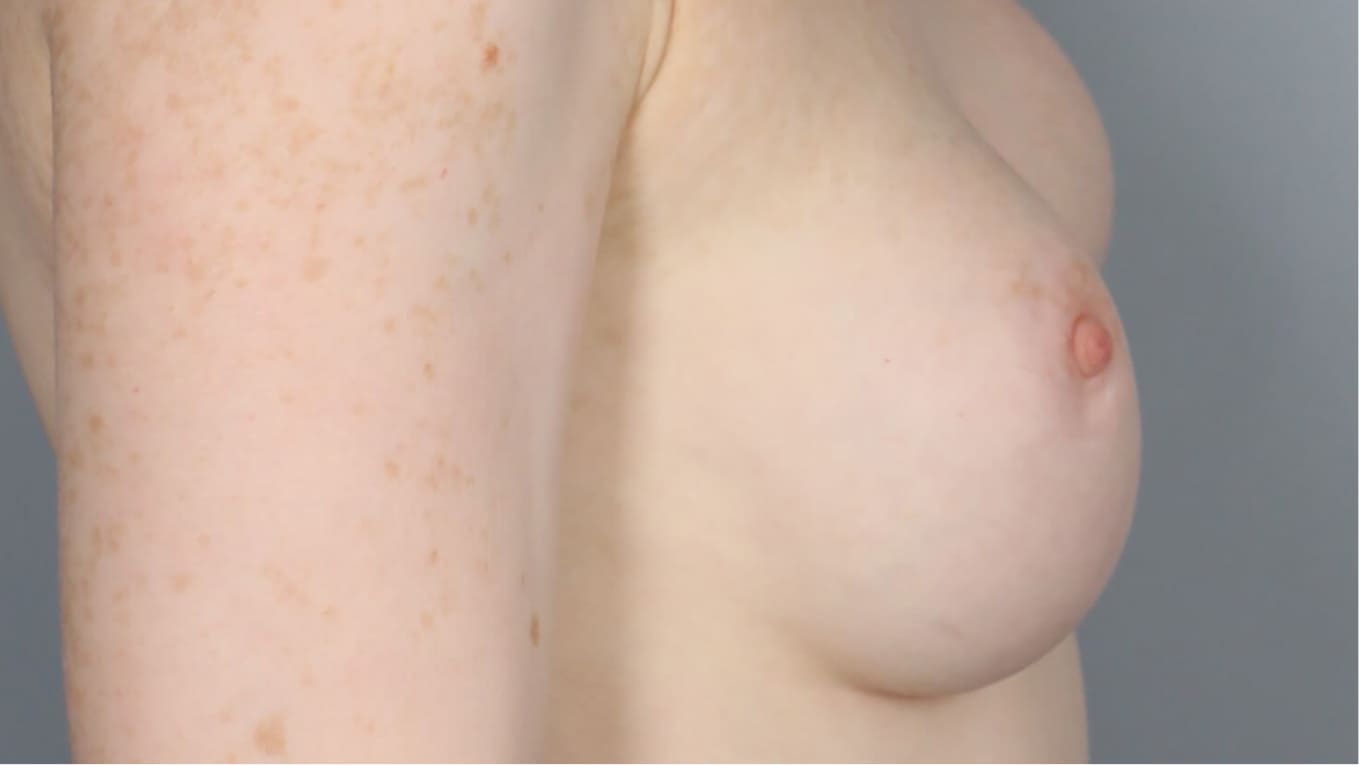 Before
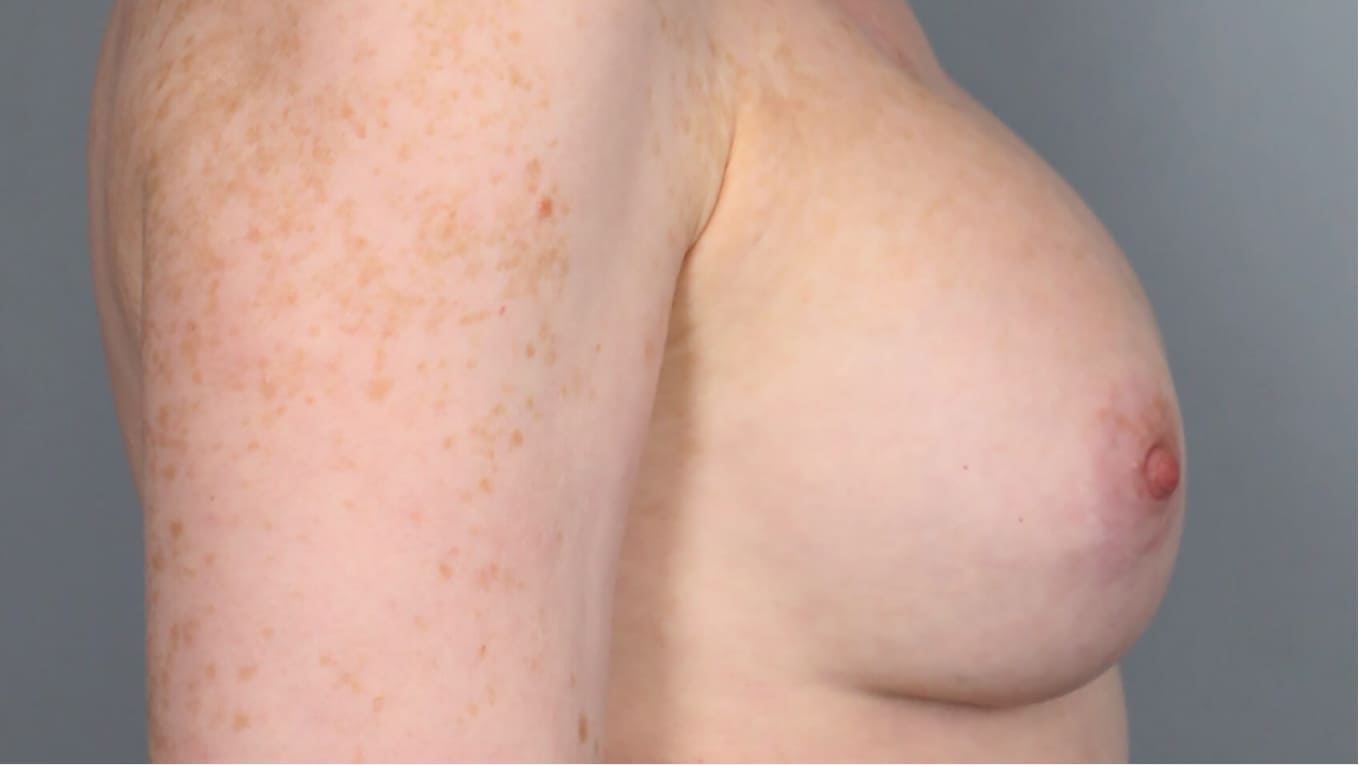 After
Before
After
After
Before
After
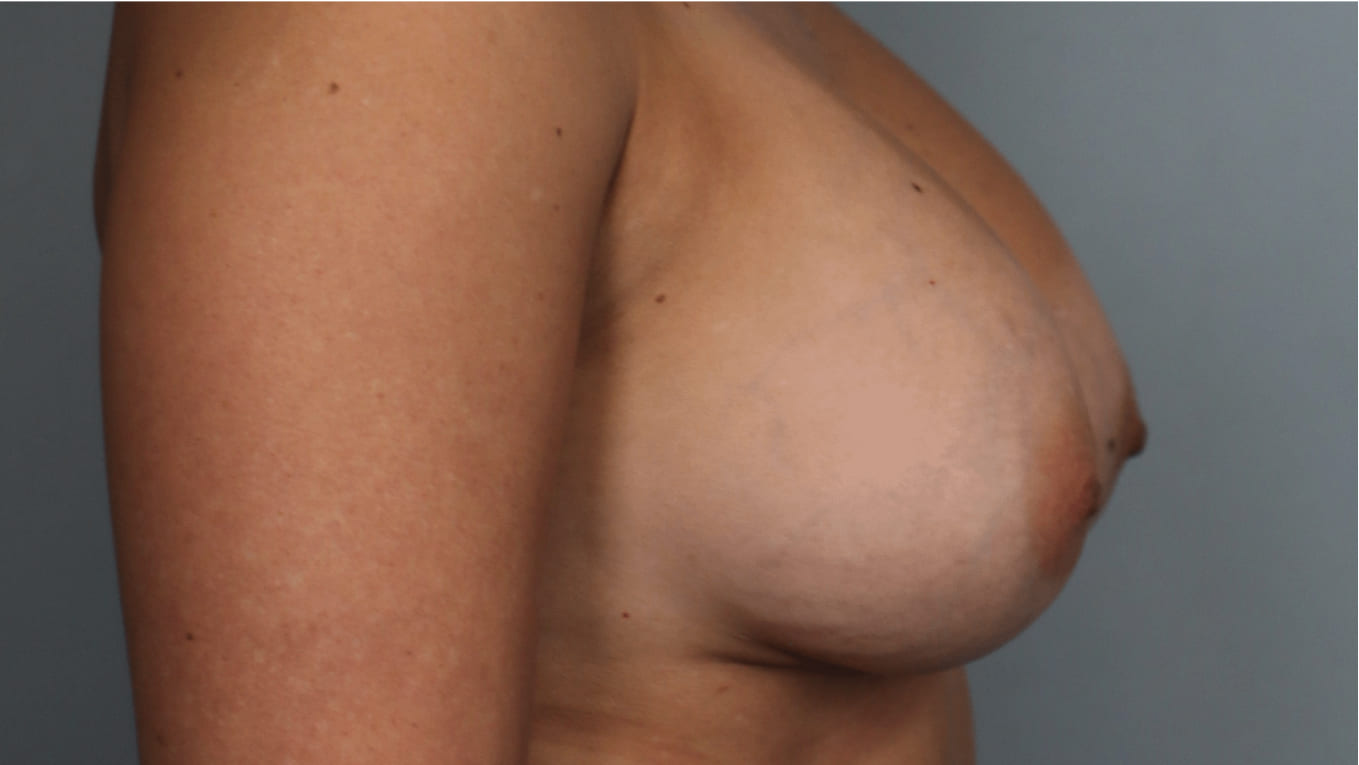 Before
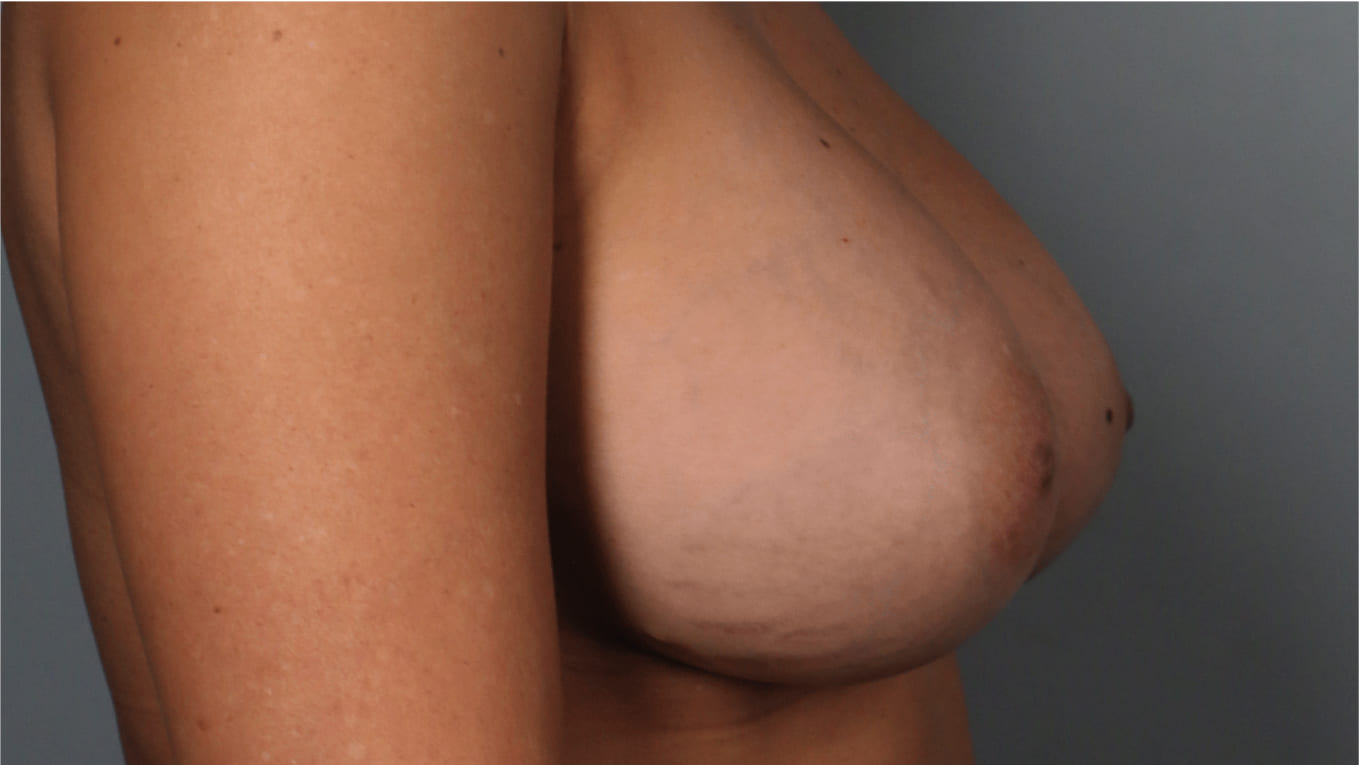 After
After
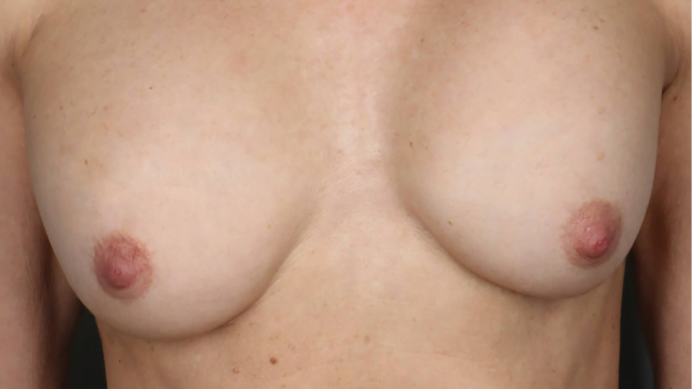 Before
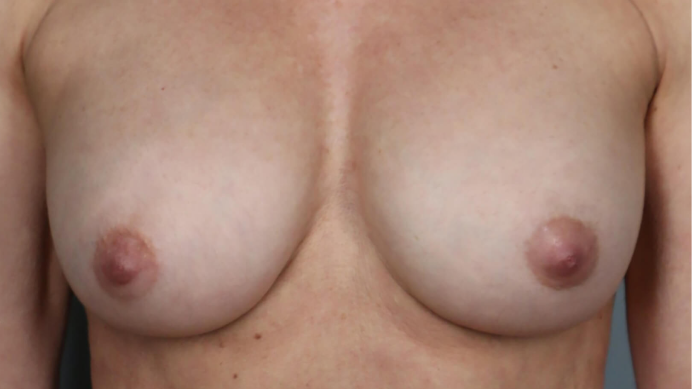 After
After
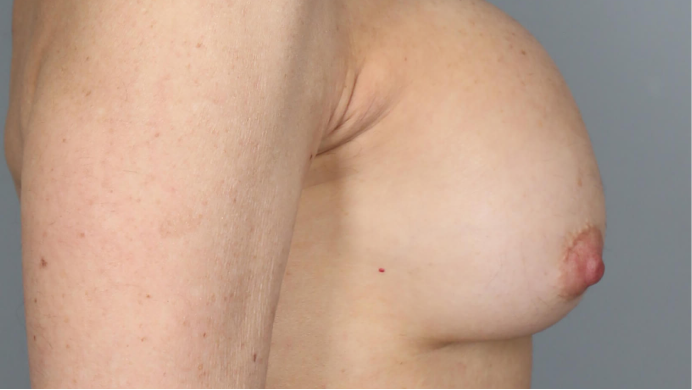 Before
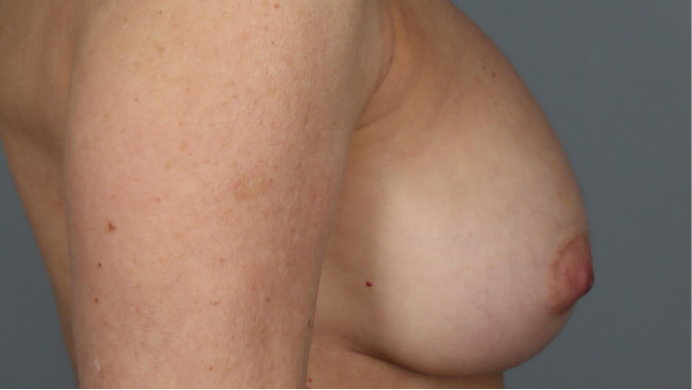 After
After

If your breast has tightened again after surgery elsewhere, you are in the group we see most often. Those cases are treatable, and the earlier you address them, the more options you have. The same is true if this is the first time it has happened.
Capsular contracture treatment in Beverly Hills starts with an examination and a grade. Everything after that depends on what we find.
Sometimes at Baker Grade I or II, and rarely at Grade III or IV. Early capsular contracture may soften with medication your surgeon prescribes off-label and monitors. Once the breast is visibly changed or painful, though, surgery is the option that reliably works, because the hardened capsule itself has to come out.
Most cases appear within the first two years after surgery, though it can develop many years later. The earliest capsular contracture symptoms are usually a change in firmness rather than in shape, and they are easiest to notice lying down, when one breast feels harder than the other.
No single cause exists, which is why treating the capsule alone often fails. The most widely accepted explanation for what causes capsular contracture is bacterial biofilm on the implant surface. Bleeding or fluid in the pocket, placement over muscle, implant rupture, radiation, and your body's healing response can also contribute.
Most cases are treated with capsulectomy, which means removing the hardened capsule rather than simply cutting it. The implant comes out with it, and a new one goes in. Capsulotomy, en bloc capsulectomy, and implant removal without replacement are used in specific situations, depending on your Baker grade.
You can, but it rarely improves on its own. Grade I and Grade II are often monitored rather than treated, so watching is a legitimate choice at that stage. Grade III and Grade IV tend to progress, and the operation needed to correct them gets larger the longer you wait.
Yes, especially if the same implant goes back into the same pocket, since the original conditions remain. Removing the capsule rather than releasing it, using a new implant, and reinforcing the pocket lowers that risk. The Practice reports a 95% success rate with this protocol.
It may. Capsular contracture is a medical complication rather than a cosmetic concern, so coverage is most likely if the original surgery was reconstruction or if there is documented pain. Our team reviews your benefits before your procedure and tells you what is and isn't covered. You can also take the insurance quiz to see where you stand.
The Practice offers capsular contracture treatment in Beverly Hills at 436 N. Bedford Dr, Suite 103, with surgery performed in our own Medicare-certified center in the same building. Dr. Lisa Cassileth and Dr. Kelly Killeen both take referrals for cases already operated on elsewhere. Call (310) 278-8200.