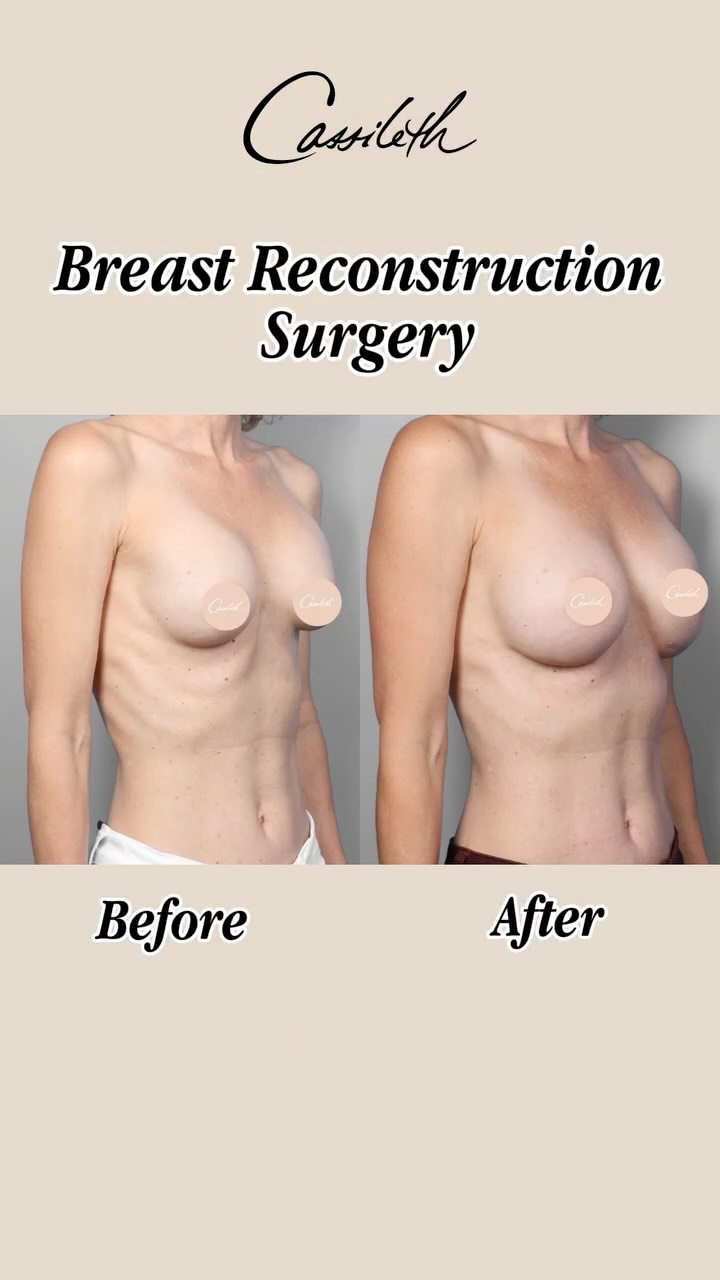
Traditional implant-based reconstruction typically involves two operations over several months. Direct-to-implant breast reconstruction does it in one.
In the traditional approach, surgeons place a tissue expander first and gradually fill it over several visits before a second operation replaces it with a permanent implant. Direct-to-implant skips the tissue expansion stage by placing a permanent implant during your mastectomy, so you wake up with restored breasts.
The approach is often paired with a nipple sparing mastectomy, which preserves your nipple and areola when it is safe to do so.
Because the final decision about implant placement often depends on your skin condition and blood supply, experience matters. Dr. Lisa Cassileth pioneered direct-to-implant reconstruction, and our surgeons have refined the technique over more than 20 years.


Implant-based breast reconstruction in Los Angeles is tailored to your anatomy and treatment plan. Your options depend on your cancer, the condition of your skin, the size you want, and whether you will need radiation. Your consultation includes a discussion of the following approaches and techniques.
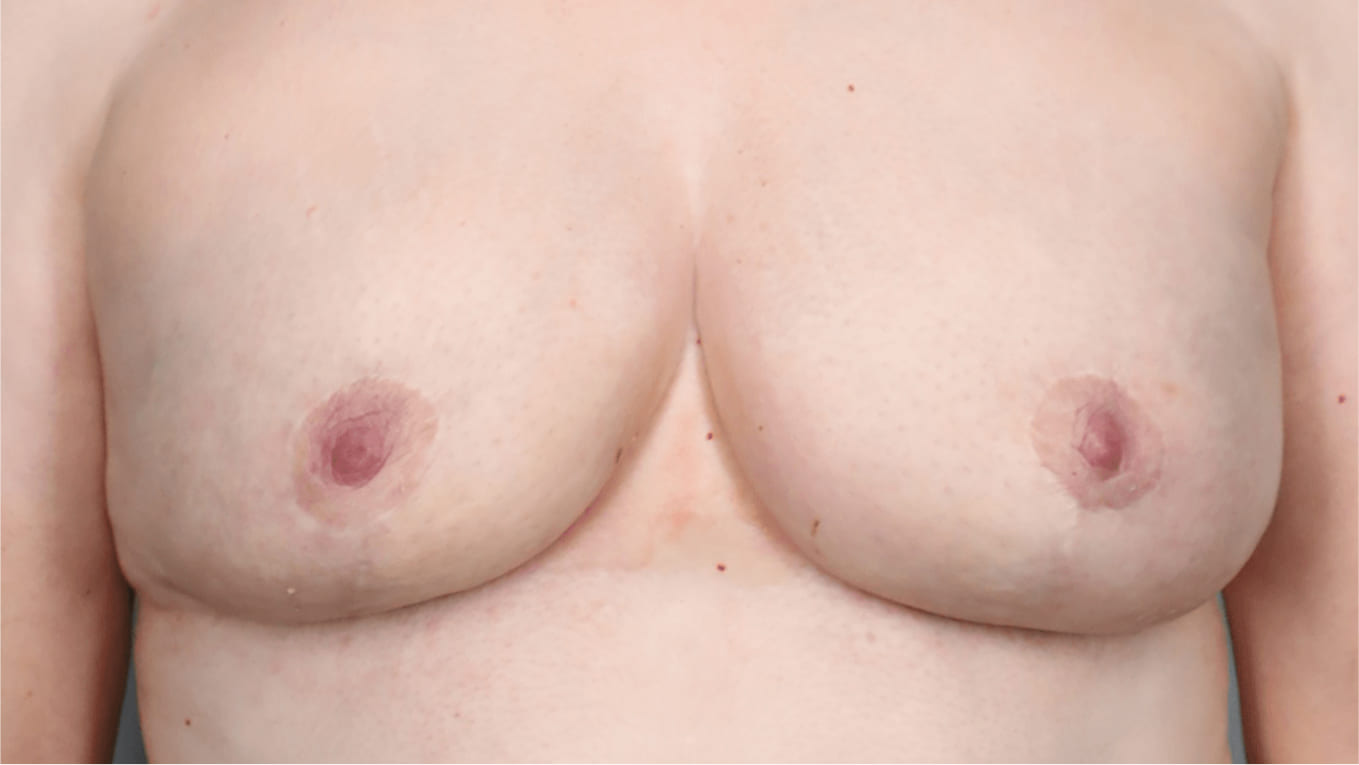
Your permanent implant is placed during your mastectomy, avoiding the need for a tissue expander and expansion visits. It works best when your remaining skin is healthy, with a good blood supply, and your desired breast size is close to your current size.
A temporary tissue expander is placed during your mastectomy and gradually filled over several visits, before a second operation replaces it with a permanent implant. This approach may be recommended if you want a noticeably larger breast or if your skin needs time to heal before it can hold an implant. If radiation is planned, your surgeons will coordinate the timing and stages of reconstruction with your cancer treatment.
A nipple-sparing mastectomy removes the breast tissue while preserving your skin, nipple, and areola, helping maintain a natural appearance. Eligibility depends on the cancer’s location and extent, whether the nipple is free of cancer, and adequate blood supply to the preserved tissue.
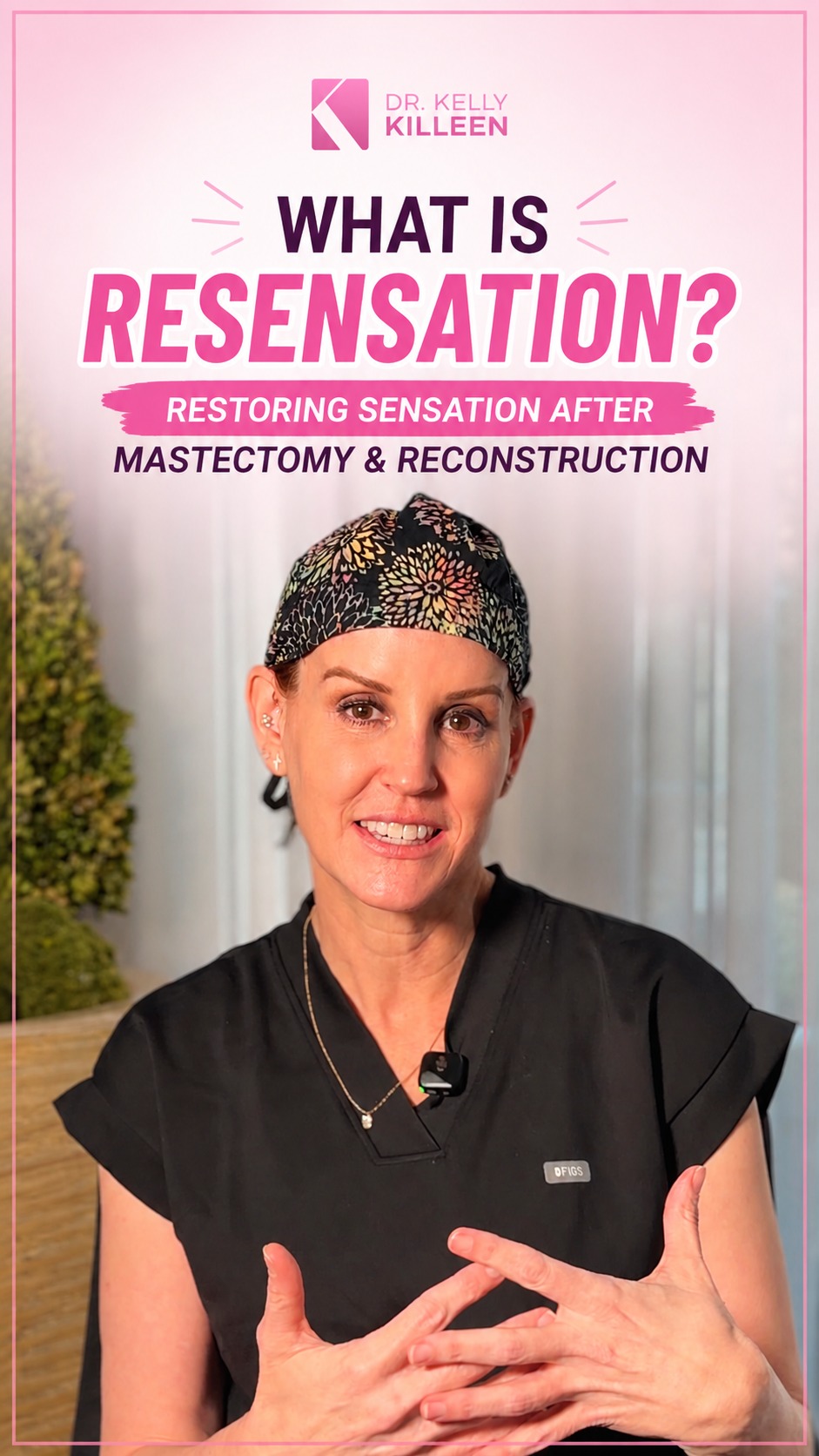
Nipple sensation is usually reduced or lost after a standard mastectomy. For eligible patients, our surgeons offer sensation-preserving mastectomy, which spares nerves where safely possible and reconnects divided nerves with grafts to help feeling return to the breast and nipple. How much feeling returns varies by patient.
During implant reconstruction, internal support can help hold the implant in position while the surrounding tissue heals. Your surgeon may use acellular dermal matrix (a processed tissue graft) or surgical mesh, depending on your anatomy and the condition of your skin and soft tissue.
These techniques support both direct-to-implant and staged reconstruction, and may also be used in capsular contracture treatment when scar tissue has tightened around an existing implant.
Immediate reconstruction takes place during the same operation as your nipple-sparing or skin-sparing mastectomy, when your treatment plan allows. This can reduce the number of operations and preserve a breast shape from the time of surgery.
Delayed reconstruction begins later, often after chemotherapy or radiation is complete. Your surgeons may recommend it because radiation can affect healing and increase the risk of complications. If you defer reconstruction, it may still be an option months or even years later.
Candidacy for direct-to-implant reconstruction depends on your overall health, skin condition and blood supply, size goals, and treatment plan.
An ideal candidate is often a healthy, nonsmoking patient with small to moderate breasts who wants a similar size afterward. Smoking, previous breast surgery, and prior radiation can compromise the blood supply to the mastectomy skin, which may mean a one-stage implant is not an option.
If direct-to-implant reconstruction is not appropriate for you, your surgeon may recommend two-stage reconstruction with a tissue expander or discuss SWIM flap breast reconstruction, an implant-free option Dr. Cassileth co-developed. The recommendation depends on your available tissue, treatment plan, and goals.
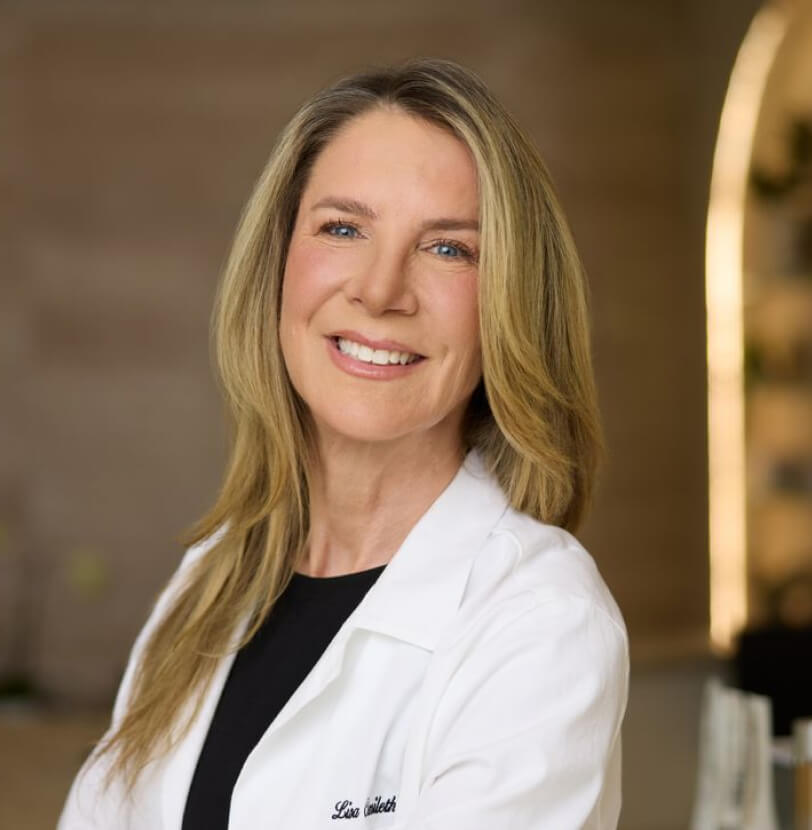
Dr. Cassileth pioneered direct-to-implant reconstruction and founded her surgical practice more than 20 years ago. She is a board-certified plastic surgeon who trained at the University of Pennsylvania. She became the first woman to serve as Chief of Plastic Surgery at Cedars-Sinai Medical Center and held the position for two consecutive terms. Dr. Cassileth pioneered groundbreaking breast surgery techniques such as direct-to-implant breast reconstruction, SWIM flap breast reconstruction, and the Pocket Lift.
In 2015, she co-founded Bedford Breast Center, which offers nipple-sparing mastectomy, working closely alongside the center’s mastectomy surgeons to coordinate reconstruction with patients’ cancer treatment plan.
Book with Dr. Cassileth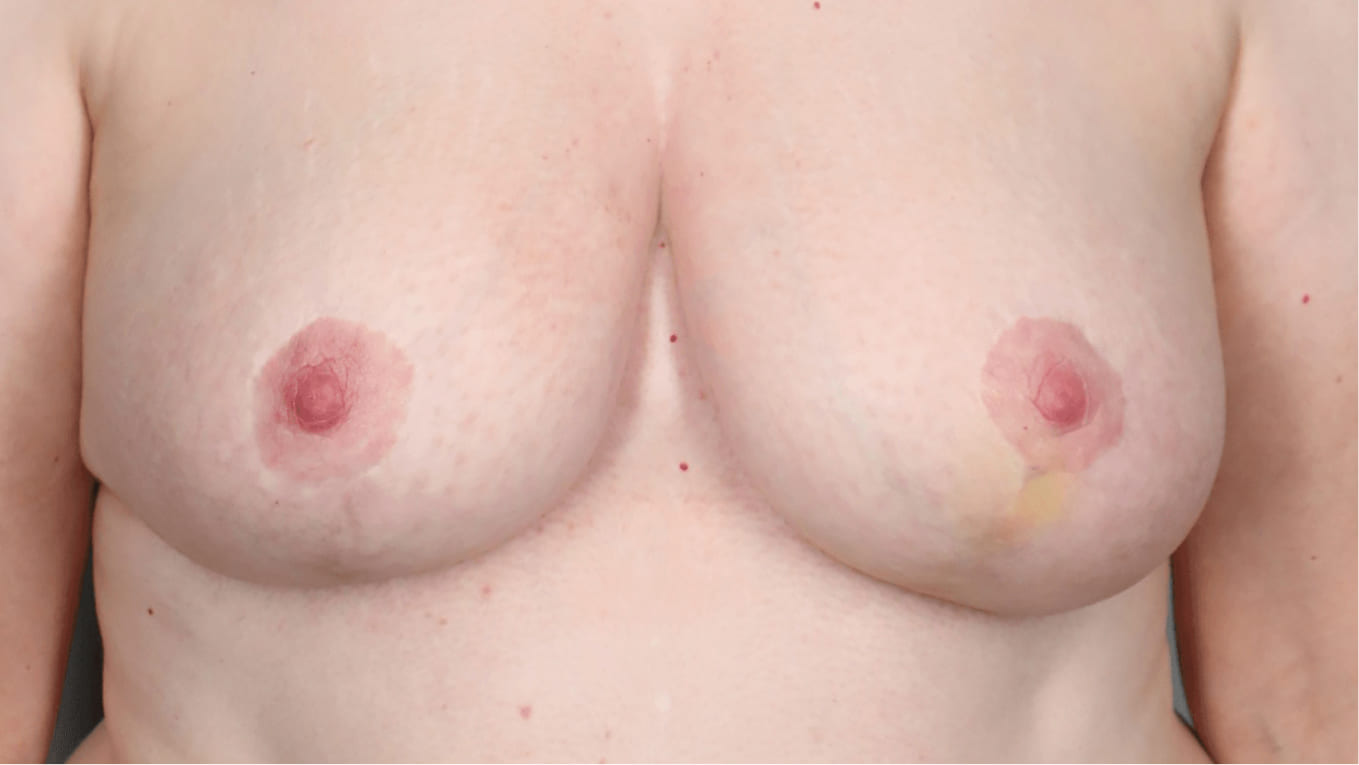 Before
 After
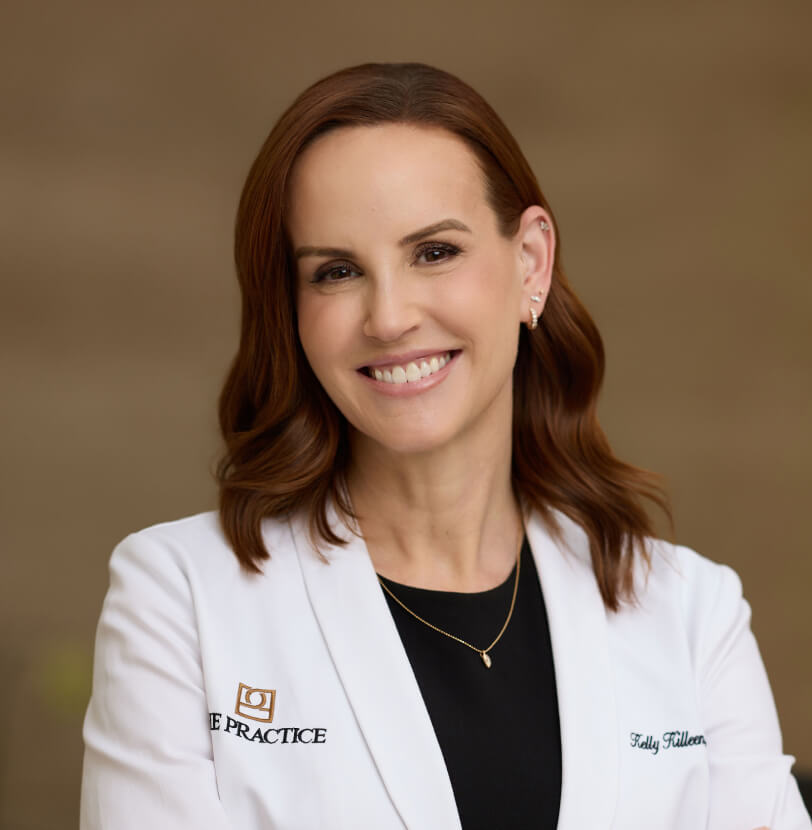
Dr. Killeen is double board-certified in plastic surgery and general surgery, specializing in complex breast surgery. She serves as a principal investigator on multiple FDA clinical trials and a peer reviewer for several leading plastic surgery journals.
Her consultations begin with a thorough review of your medical history, helping guide her recommendations for reconstruction or revision.
Book with Dr. Killeen Before
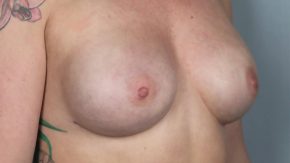 After
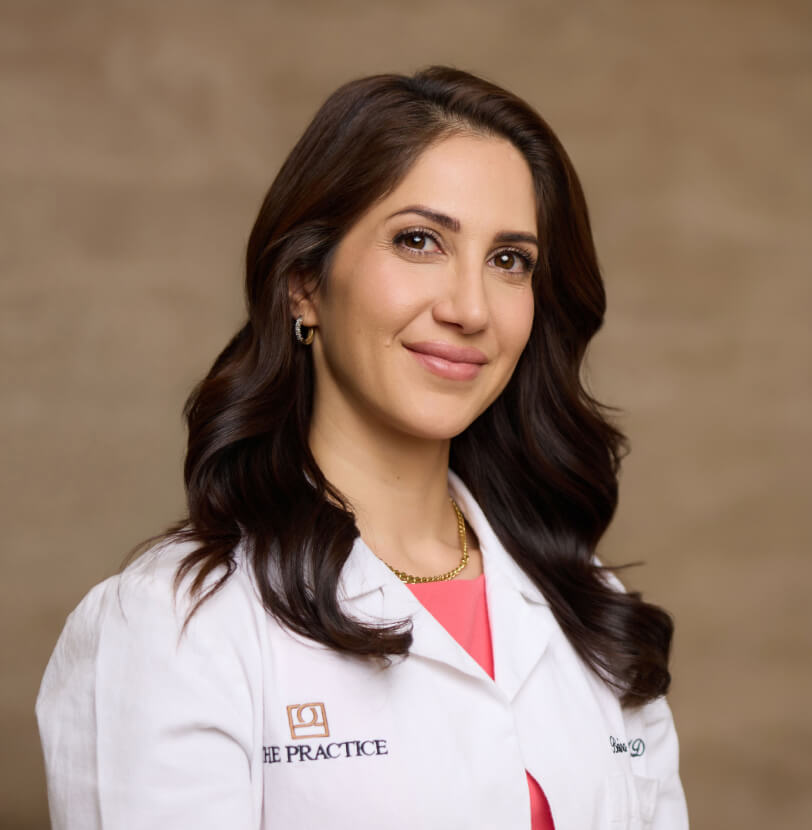
Dr. Azadgoli is a board-certified plastic and reconstructive surgeon who completed medical school and her plastic surgery residency at the University of Southern California. Her breast surgery specialties include direct-to-implant reconstruction, implant revision, reduction, and augmentation.
She combines an individualized approach to patient care with meticulous surgical technique, focusing on restoring breast shape and achieving natural-looking results.
Book with Dr. Azadgoli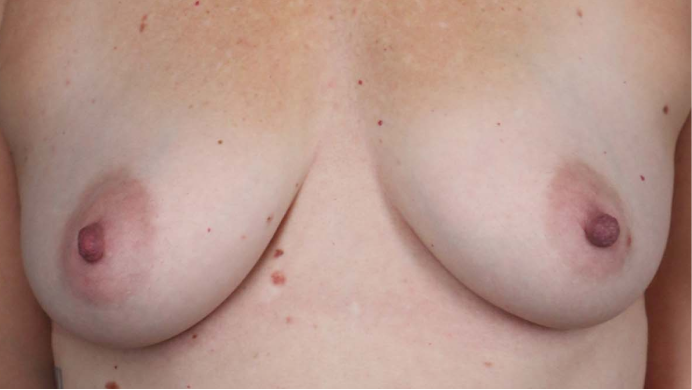 Before
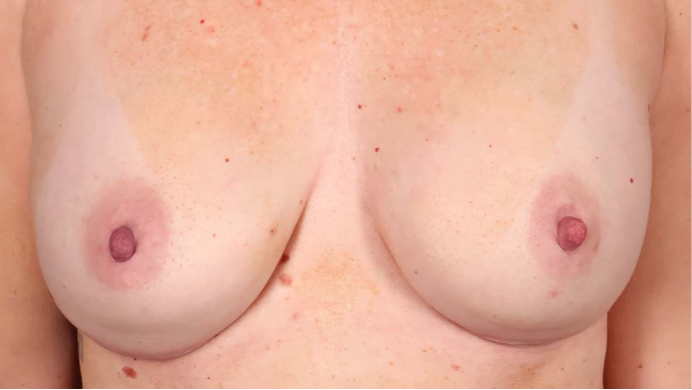 After
Usually. A federal law, the Women’s Health and Cancer Rights Act of 1998, requires group health plans, insurers, and HMOs that cover mastectomy to also cover reconstruction of the breast, surgery on the other breast to create a symmetrical appearance, prostheses, and treatment of physical complications, including lymphedema.
The law covers reconstruction in the way you and your surgeon decide together.
That does not make every plan simple. Reconstruction is subject to the same deductibles and coinsurance as your other medical and surgical benefits, and your plan’s network and approval rules can still apply.
Before your procedure, our team verifies your insurance benefits and gives you a clear estimate of your out-of-pocket costs, so you know where you stand before surgery is scheduled.

The Practice Healthcare has its own independent, Medicare-certified ambulatory surgery center on Bedford Drive, recognized by Newsweek as one of California’s top privately owned centers.
Our Surgery Center →
Implant based breast reconstruction in Los Angeles that has hardened, shifted or never looked right can be revised. Our Surgeons consultations begin with your history, including any previous surgery and how your tissue responded.
Tightened implant reconstruction is treated as capsular contracture.
Capsular Contracture Treatment →Every case below was performed at The Practice, and each one names the surgeon who carried it out.
Before
After
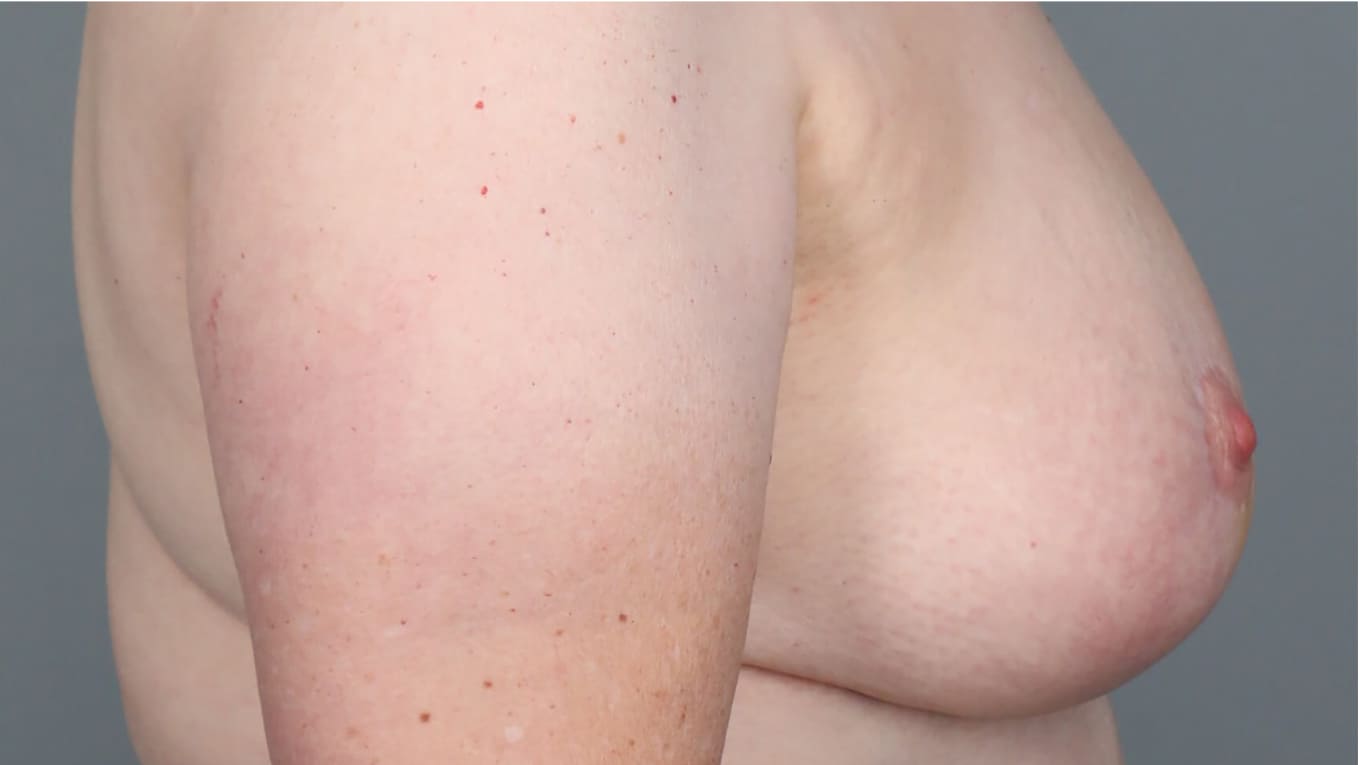 Before
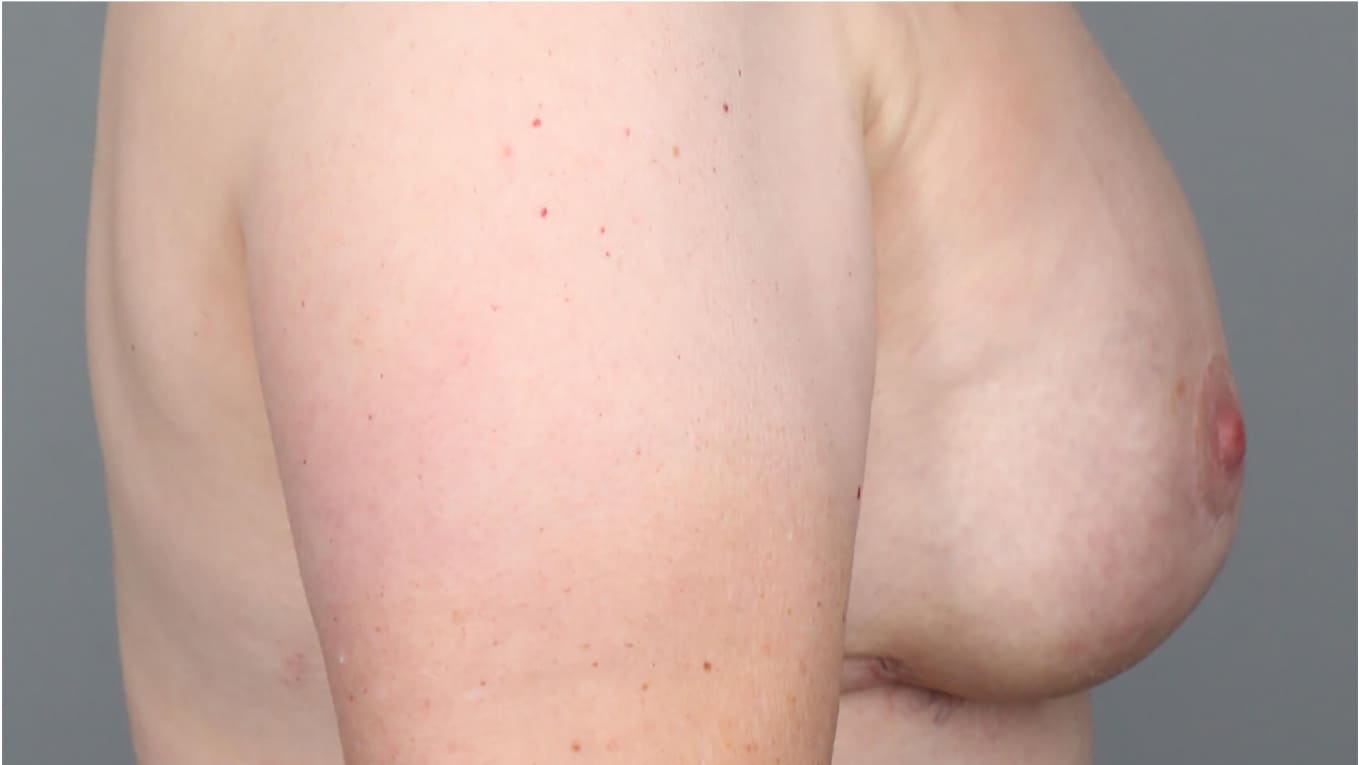 After
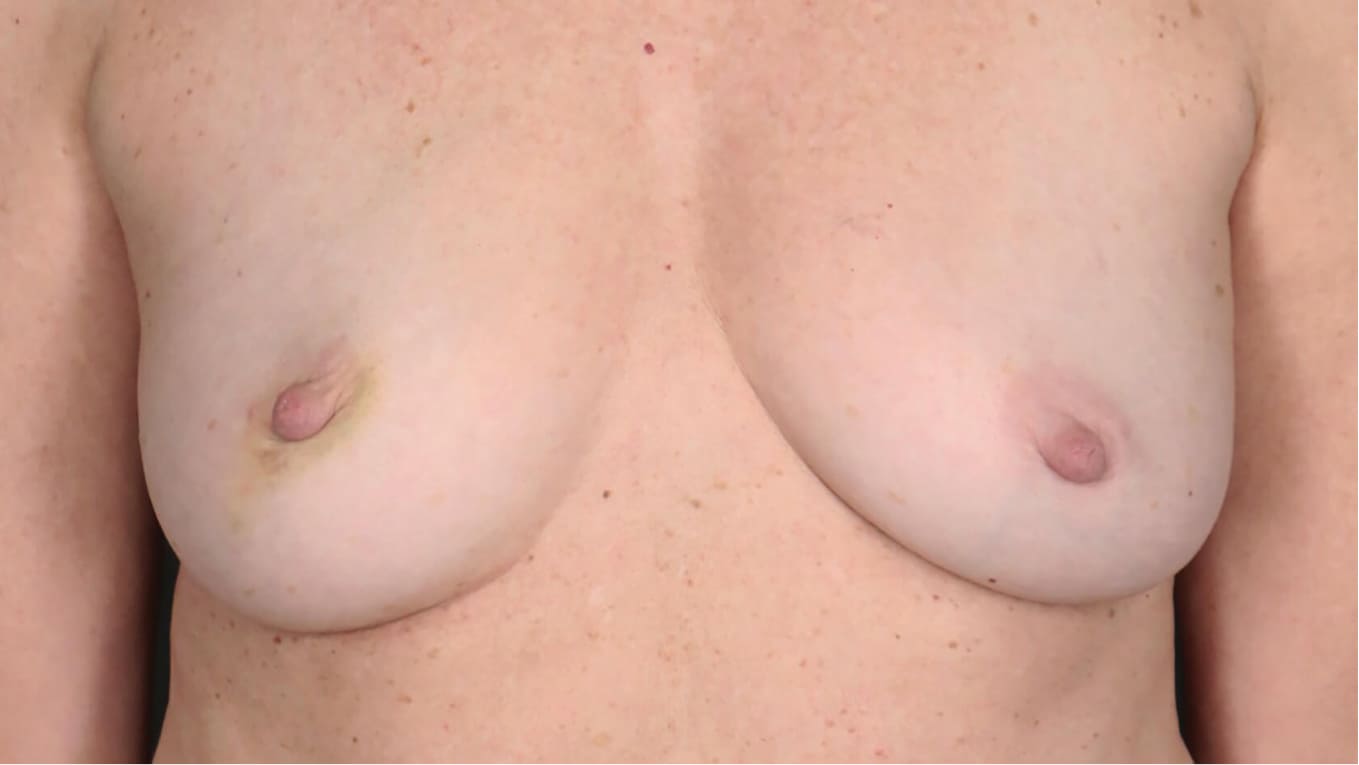 Before
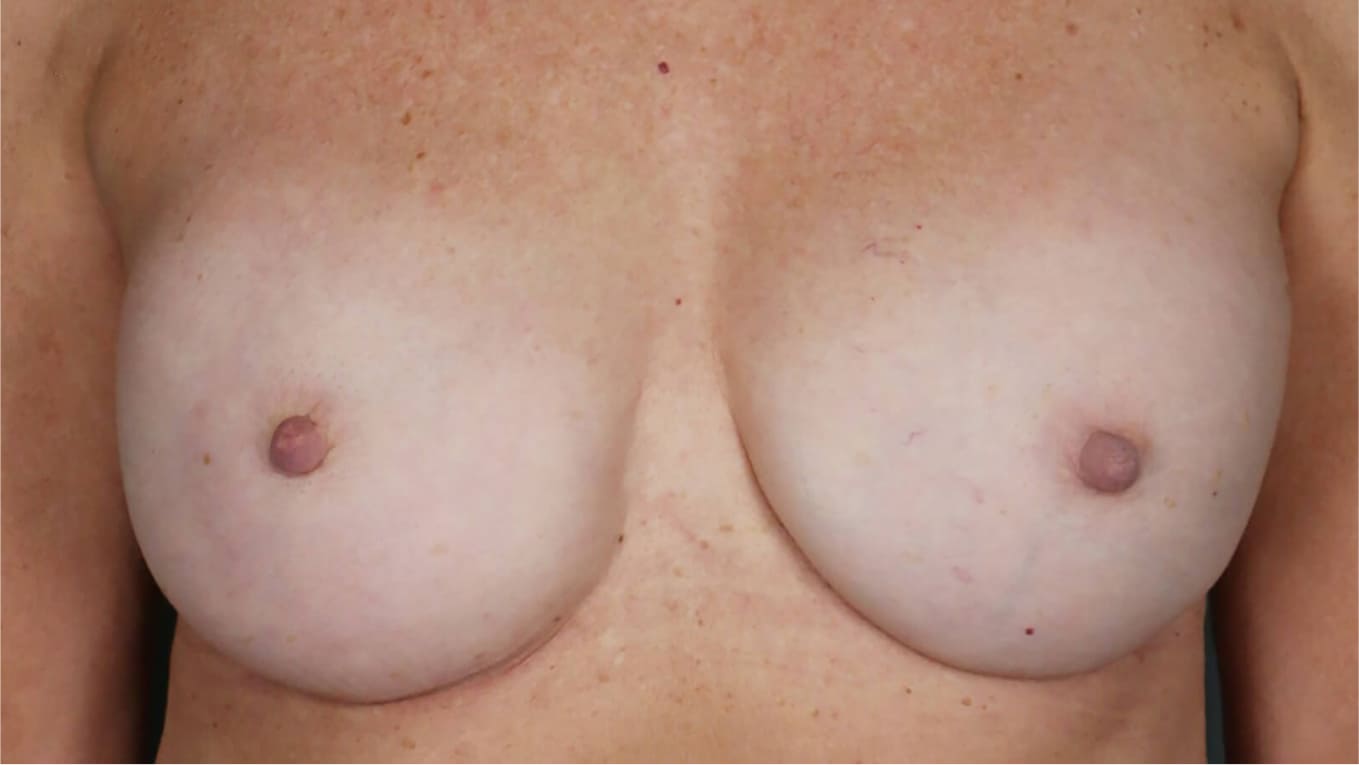 After
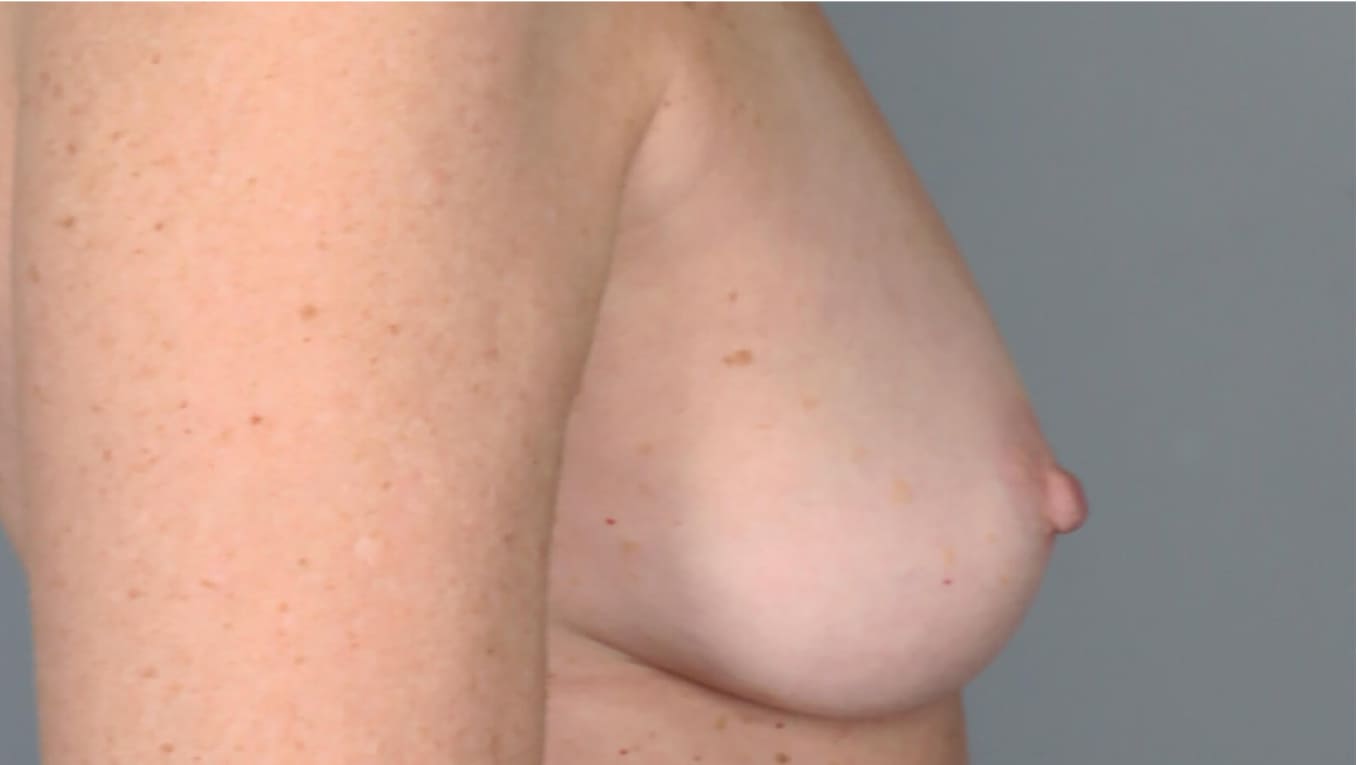 Before
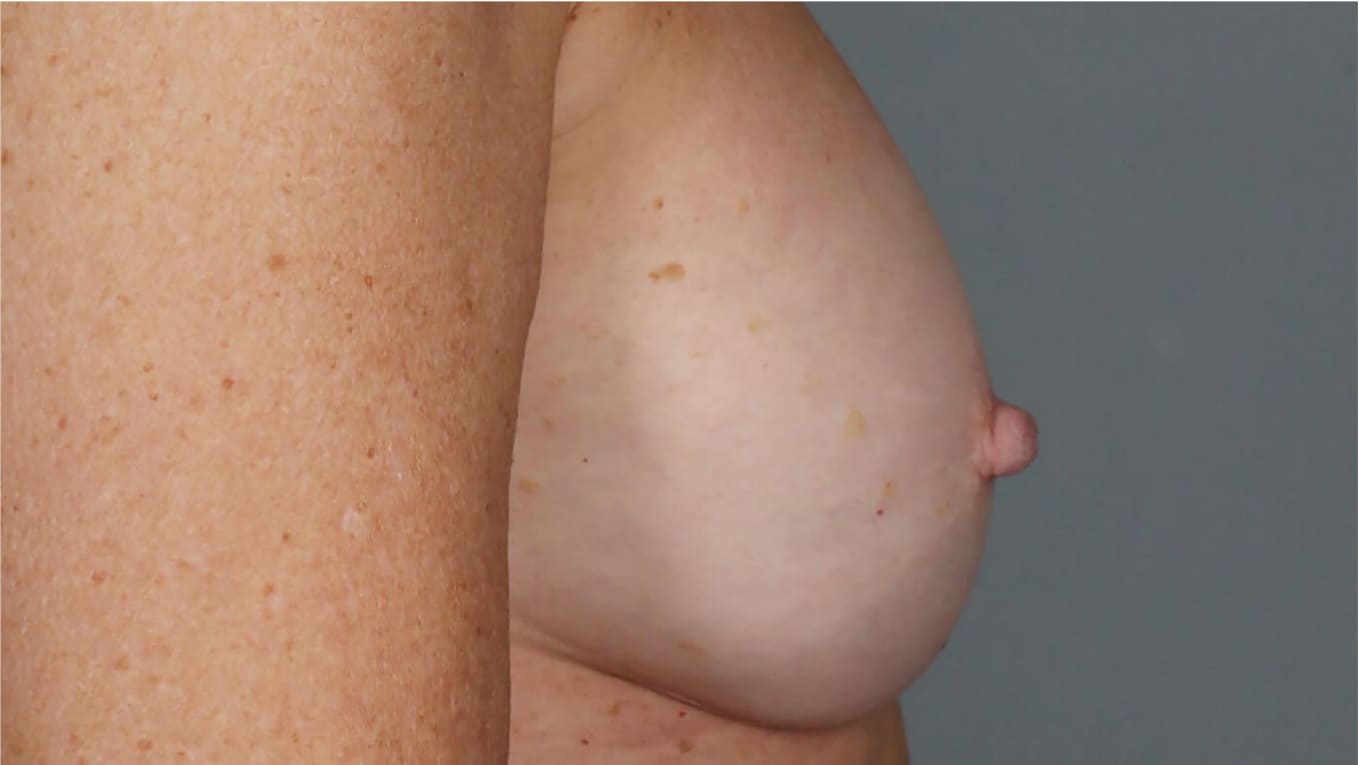 After
Before
After
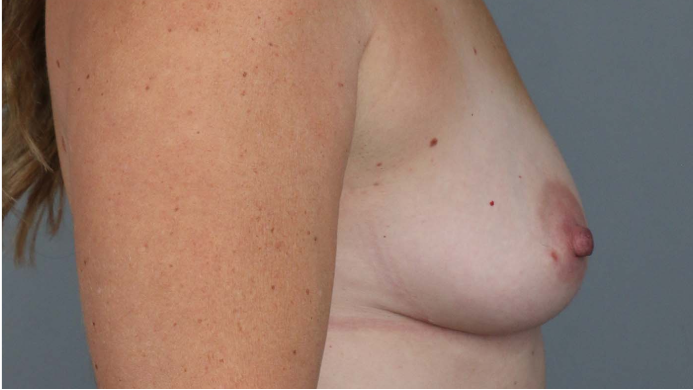 Before
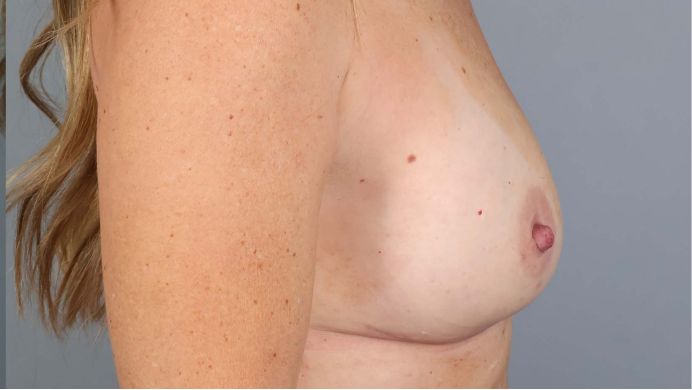 After
Before
After
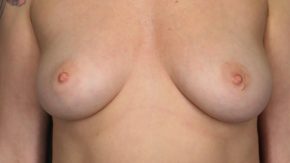 Before
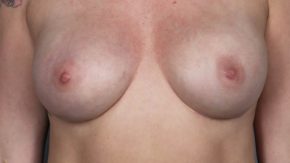 After

Your skin, your breast size, and your treatment plan decide if direct-to-implant reconstruction suits you, so it helps to settle this early, before surgery is scheduled.
Bring your oncology plan or genetic test results to your consultation. We will walk you through which reconstruction routes are open to you, how a nipple sparing mastectomy, or a skin-sparing one, would shape the result, and what your insurance is required to cover.
Direct-to-implant breast reconstruction places your permanent implant during the same operation as your mastectomy. Because it avoids the tissue expander stage, there are no expansion visits or planned expander-to-implant exchange surgery. It is often paired with a nipple sparing mastectomy. Additional surgery may still be needed to refine your results or address complications.
A nipple sparing mastectomy removes the breast tissue while preserving your skin, nipple, and areola to help maintain the breast’s natural appearance after reconstruction. Your surgeon chooses the incision location based on your anatomy, blood supply, and cancer treatment needs, placing scars as discreetly as possible.
Candidates generally have no evidence of cancer involving the nipple and enough blood supply to safely preserve it. Cancer involving the nipple, Paget’s disease of the nipple, and inflammatory breast cancer generally make this approach unsuitable. Breast size and significant sagging can also affect eligibility or require a staged approach. Tissue behind the nipple is checked for cancer. If cancer is found, the nipple may need to be removed during the mastectomy or in a later procedure.
A key factor is the condition of your remaining skin after the mastectomy, including its blood supply. People with small to moderate-sized breasts who want a similar size are often good candidates, while smoking, previous breast surgery, and prior radiation can make this approach less suitable. Your surgeon assesses your options before surgery and confirms whether implant placement is safe during the operation.
Most people go home within a day or two, and drains usually come out in 1 to 2 weeks. Because direct-to-implant skips expander fills and a second operation, most of your recovery is from the mastectomy itself. Desk work often resumes in 2 to 4 weeks, though your surgeon sets your exact timeline.
Usually not fully. Even when the nipple and areola are kept, the nerves running through the breast tissue are removed, so nipple sensation is generally reduced or lost. Sensation-preserving techniques may help some feeling return. There is also a small risk the nipple loses its blood supply and has to be removed.
Over the long term, capsular contracture, a tightening of scar tissue around the implant, is one of the most common complications, and radiation increases the risk. In the early weeks, surgeons watch most closely for skin or nipple necrosis, infection and fluid buildup. Most complications are treatable, especially when they are reported promptly.
Usually, yes, including direct-to-implant reconstruction. Under the Women’s Health and Cancer Rights Act, plans that cover mastectomy must also cover reconstruction, symmetry surgery on the other breast, prostheses, and treatment of complications. Deductibles and coinsurance still apply, so our team verifies your benefits and gives you an estimate of your out-of-pocket costs.
At The Practice Healthcare in Beverly Hills, our surgeons offer direct-to-implant and other implant-based breast reconstruction in Los Angeles. Visit us at 436 N. Bedford Dr, Beverly Hills, or call (310) 278-8200 to book a consultation and learn which breast reconstruction option best fits your anatomy and treatment plan.