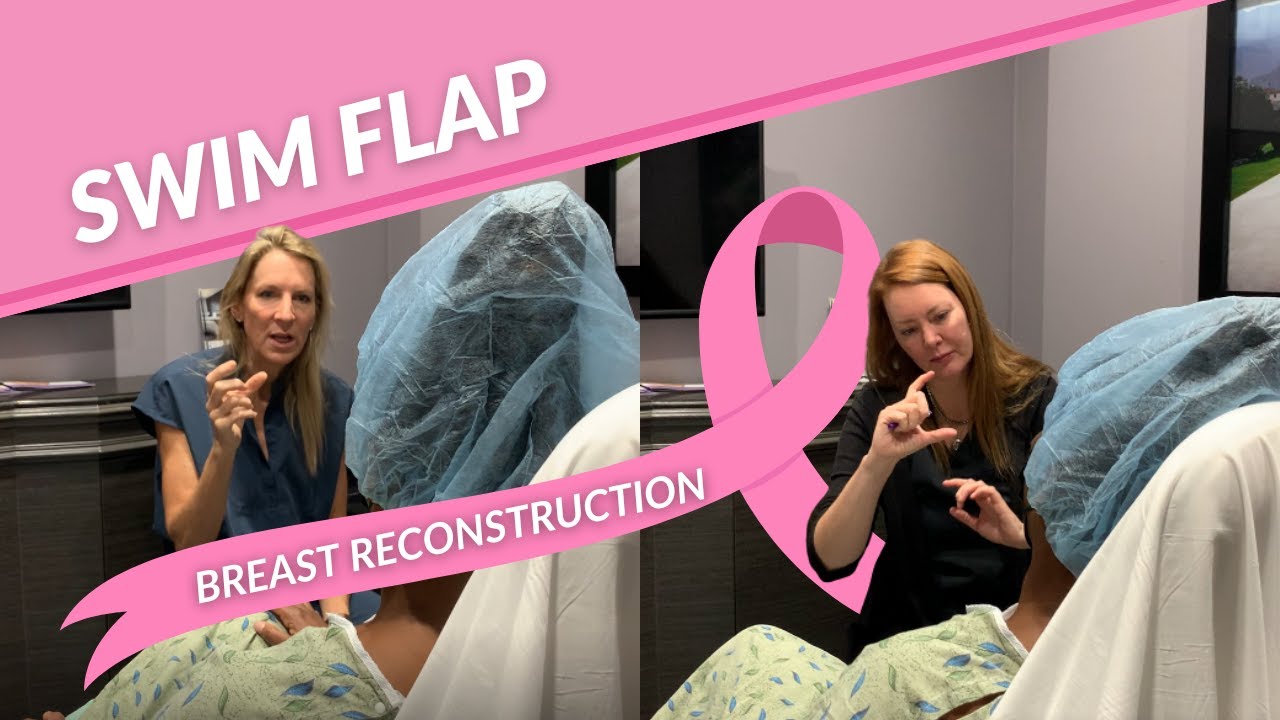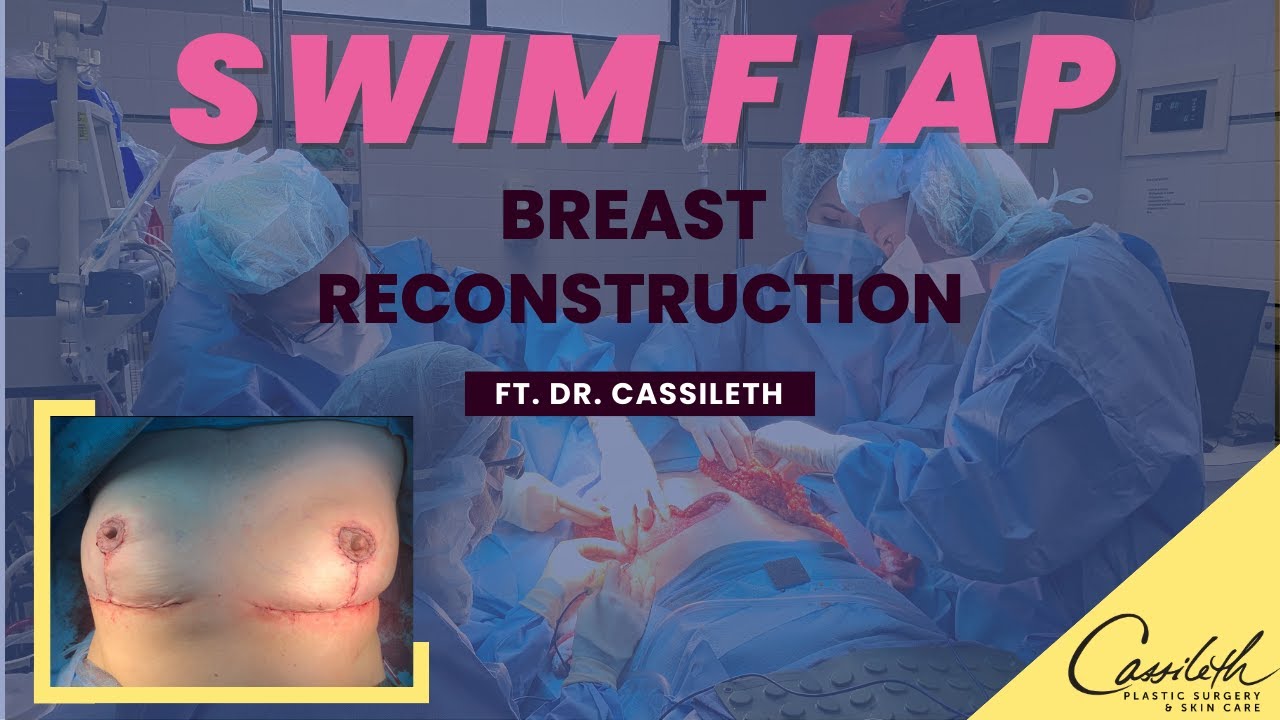
Breast reconstruction often involves an implant or tissue transferred from another part of the body, such as the abdomen or back. For patients with fuller breasts, another option may be available.
A Goldilocks mastectomy uses the remaining skin and fat after breast tissue removal to create a breast mound in the same operation. No implants are used, and no tissue is taken from another part of your body.
SWIM, short for skin-sparing Wise pattern internal mammary perforator, is our refinement of the Goldilocks technique, designed to also preserve your nipple and areola when medically appropriate.
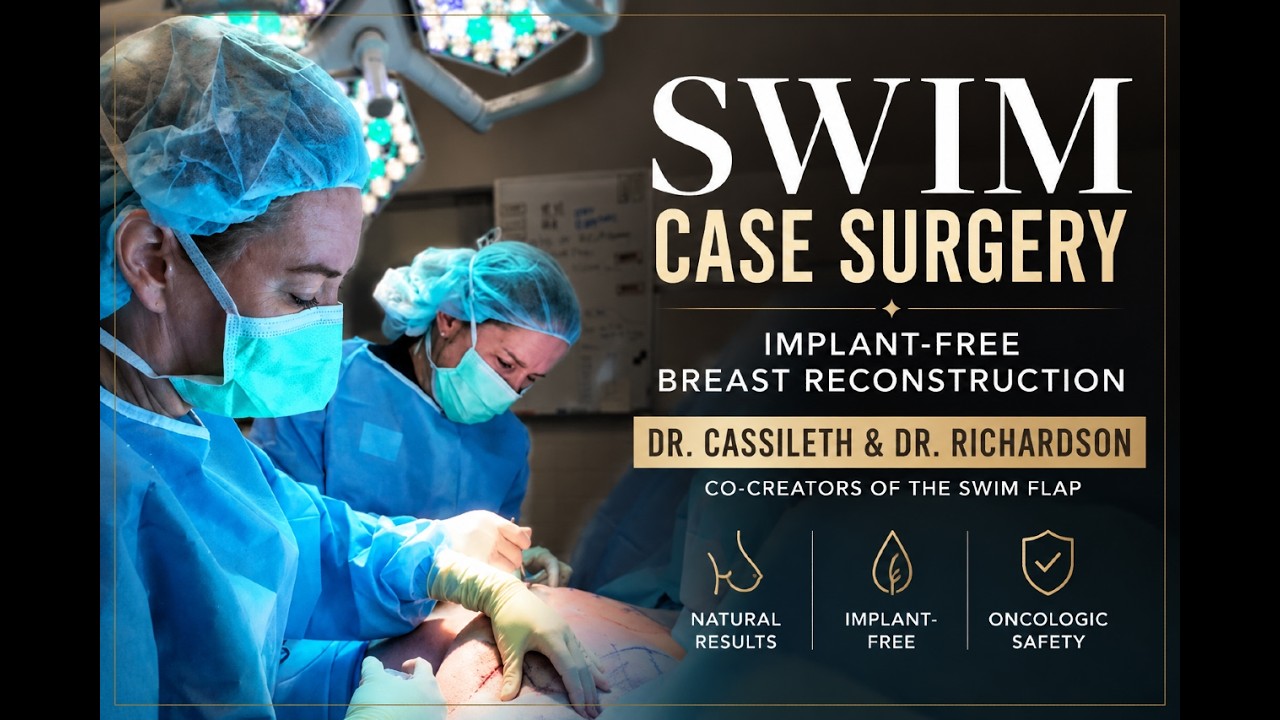
Dr. Lisa Cassileth developed SWIM alongside Dr. Heather Richardson, who co-developed the Goldilocks mastectomy. The results were published in the Journal of the American College of Surgeons in 2020.


Autologous breast reconstruction uses your own tissue to rebuild the breast. Traditional flap procedures transfer tissue from another area, such as the abdomen or back. SWIM uses the skin and fat remaining on your chest after mastectomy.
By avoiding a separate tissue donor site, SWIM can reduce operating time, scarring, and recovery demands compared with more extensive flap procedures.
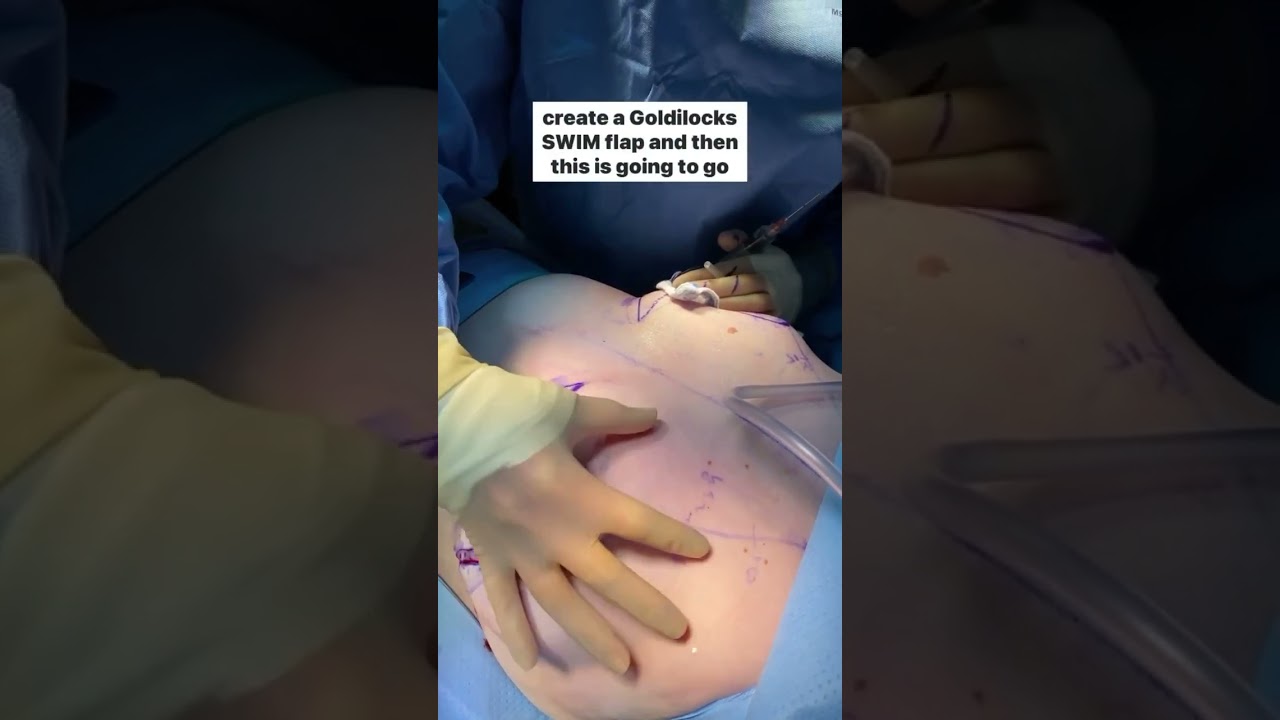
SWIM reconstruction uses the skin and fat already on your chest, reshaped during your nipple-sparing mastectomy. No implant or tissue transfer from another part of your body is required, so there are no separate donor-site scars. Your nipple and areola are preserved when cancer treatment and blood supply allow.
Implant reconstruction restores breast shape using a breast implant, either during mastectomy or after tissue expansion. Implants require ongoing monitoring and are not lifetime devices; future surgery may be needed to remove or replace them. Potential complications include capsular contracture, a tightening of scar tissue around the implant.
Aesthetic flat closure is a surgical approach for patients who choose to have a mastectomy without breast reconstruction. During the procedure, the surgeon removes excess skin and tissue and carefully contours the chest to create a smooth, flat appearance. The goal is to achieve a balanced chest contour while minimizing skin folds, excess tissue, and irregularities.
For some patients, aesthetic flat closure is a personal preference, while others choose it for medical or practical reasons. It is important to understand that going flat does not mean simply removing the breasts. Achieving a smooth, intentional result requires thoughtful surgical planning, attention to skin management, and precise closure techniques.
These flaps transfer skin and fat from the abdomen to the chest. A DIEP flap preserves the abdominal muscle, while a TRAM flap includes some or all of that muscle. These procedures can provide more breast volume and projection than SWIM, but involve an additional surgical site and generally require a longer operation and recovery.
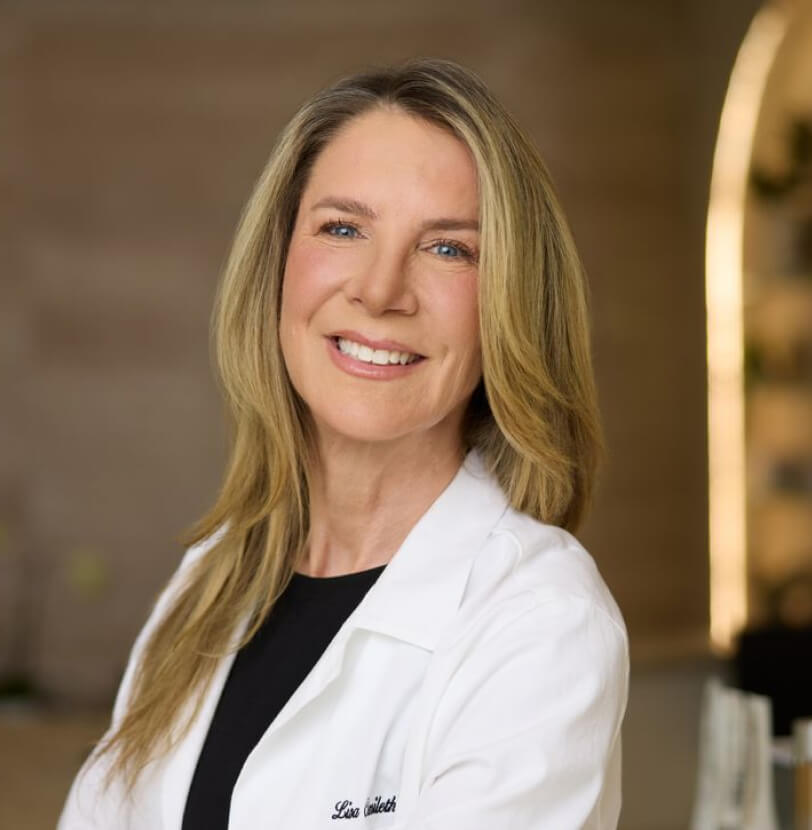
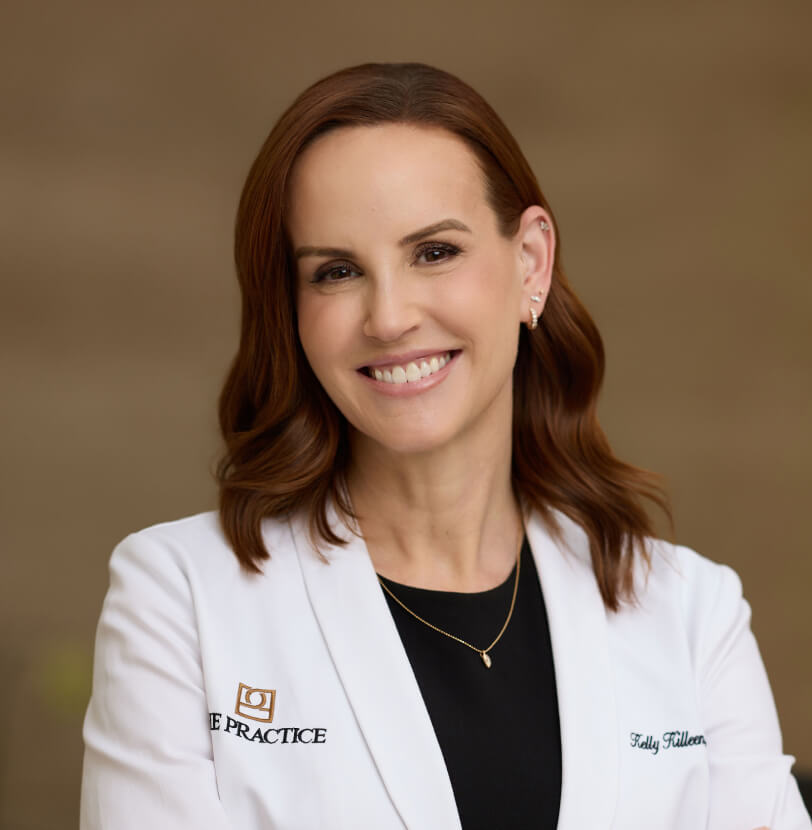
Dr. Cassileth co-developed SWIM and is the lead author of the 2020 paper in the Journal of the American College of Surgeons. Board-certified in plastic surgery and trained at the University of Pennsylvania, she served two terms as Chief of Plastic Surgery at Cedars-Sinai and founded Bedford Breast Center in 2015.
Book with Dr. Cassileth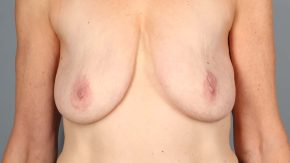 Before
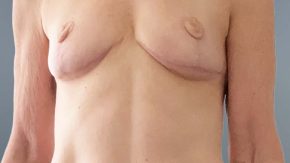 After
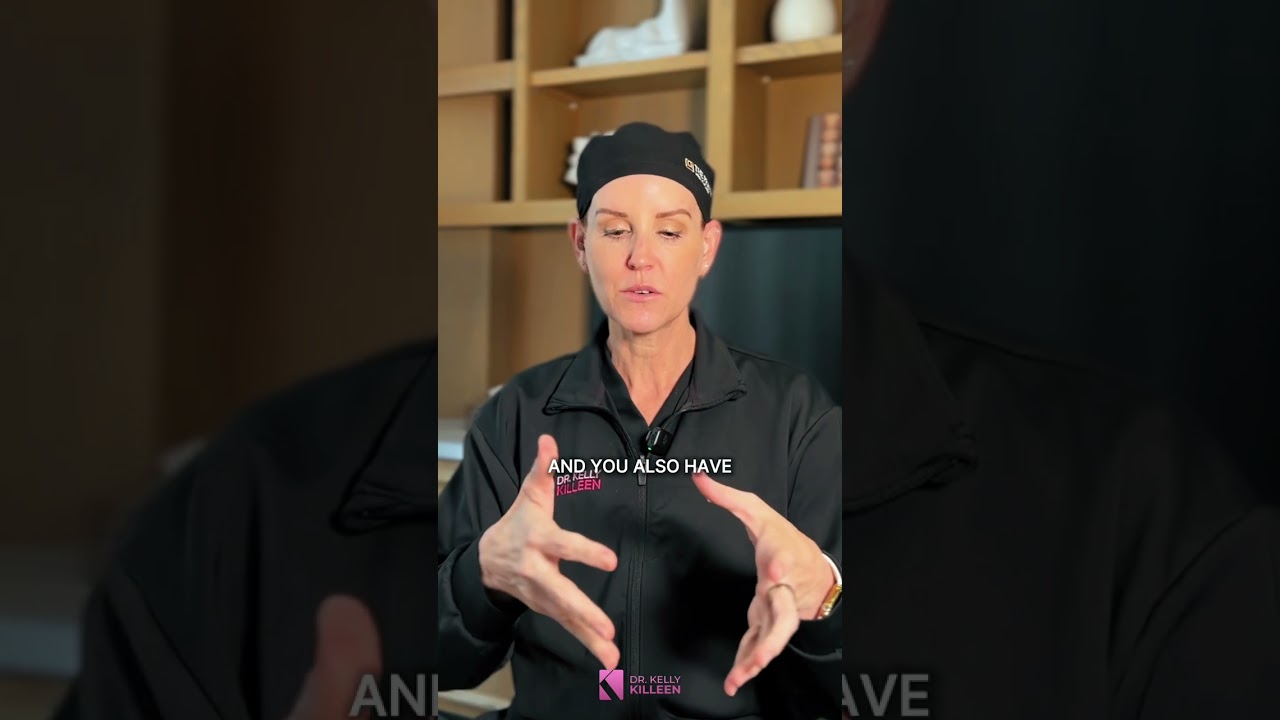
Dr. Killeen co-authored the 2020 SWIM paper. Double board-certified in plastic surgery and general surgery, she serves as principal investigator on multiple FDA clinical trials and peer reviews for leading plastic surgery journals.
Book with Dr. Killeen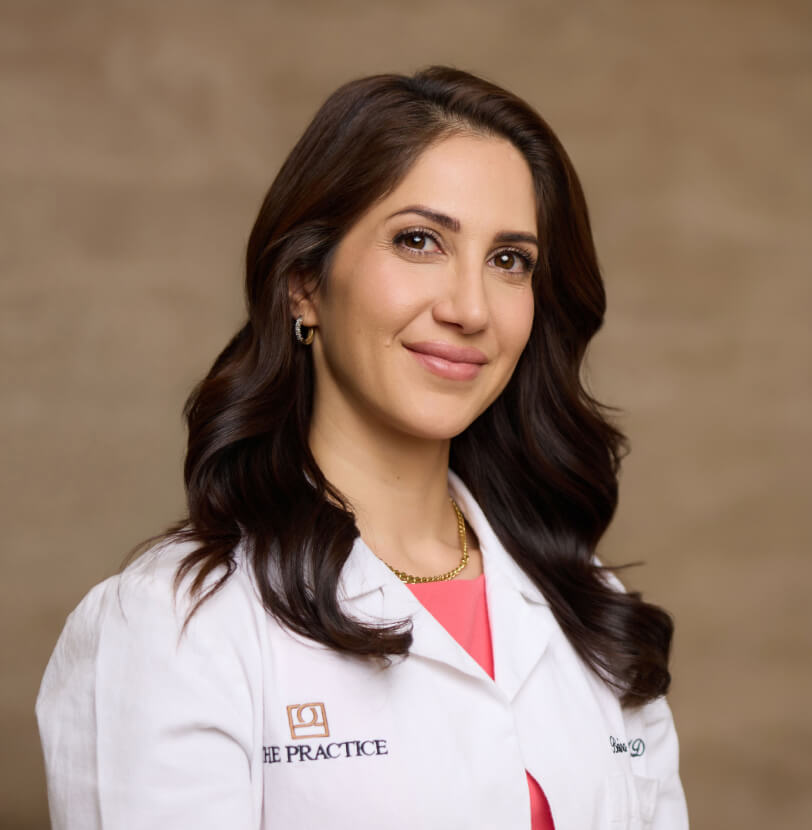
Dr. Azadgoli is a board-certified plastic and reconstructive surgeon who completed medical school and her plastic surgery residency at the University of Southern California. She specializes in breast reconstruction and aesthetic breast surgery, bringing an individualized approach to restoring breast shape with careful attention to proportion and contour.
Book with Dr. AzadgoliIn 2020, Dr. Cassileth, Dr. Killeen, and Dr. Richardson described SWIM in the Journal of the American College of Surgeons in a case series of nipple-sparing mastectomies reconstructed with local tissue only.
All three authors operate at The Practice Healthcare and its sister practice, Bedford Breast Center.
SWIM combines a nipple-sparing mastectomy with reconstruction, so it is planned together by your breast surgeon and your plastic surgeon.

Usually. The Women’s Health and Cancer Rights Act requires group health plans, insurers and HMOs that cover mastectomy to cover reconstruction in the way you and your surgeon decide together, along with surgery on the other breast for symmetry.
Before your procedure, our team verifies your benefits and gives you an estimate of your out-of-pocket costs.
Take the Insurance Quiz
The Practice has its own independent, Medicare-certified ambulatory surgery center on Bedford Drive, recognized by Newsweek among California’s top privately owned centers.
Your surgeon will tell you where your own operation will take place.
Our Surgery Center →Every case below was performed at The Practice, and each one names the surgeon who carried it out.
Before
After
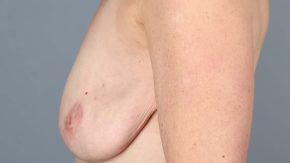 Before
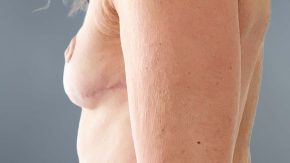 After
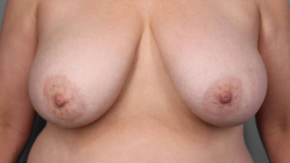 Before
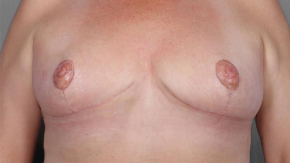 After
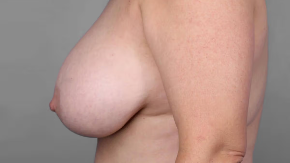 Before
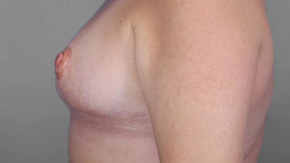 After
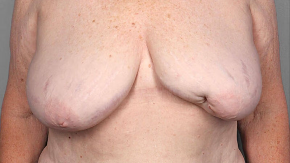 Before
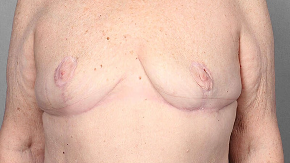 After
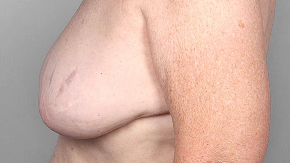 Before
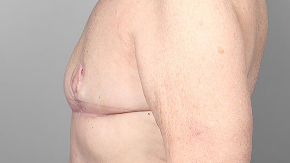 After
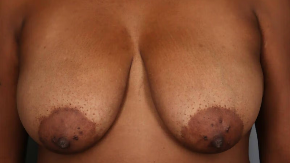 Before
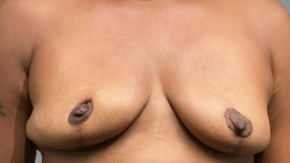 After
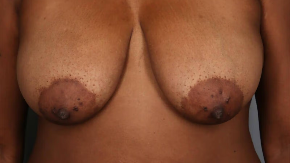 Before
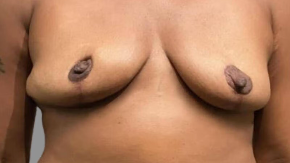 After
SWIM suits a specific patient, and the honest version of that conversation happens before surgery is booked, with your breast surgeon in the room.
Bring your oncology plan. You will leave knowing whether Goldilocks breast reconstruction or SWIM is open to you, what the alternatives would mean, and what your insurance must cover.
A Goldilocks mastectomy removes the breast tissue and reshapes the remaining skin and fat on your chest into a smaller breast mound, with no implant and no tissue taken from elsewhere. The Goldilocks procedure was first described in 2012 for women with large or drooping breasts who want to avoid implants or flaps.
SWIM flap breast reconstruction is a form of autologous breast reconstruction that rebuilds the breast from the skin and fat already on your chest during a nipple-sparing mastectomy. SWIM stands for skin-sparing Wise pattern internal mammary perforator. Nothing is implanted, nothing is taken from elsewhere, and you keep your own nipple.
The best candidates have large, drooping breasts and want a smaller, perkier result without implants. Scars on the breast, poor blood flow to the tissue, or a cancer that requires removing the skin over the inner breast can rule it out. Goldilocks breast reconstruction shares these limits, so both your surgeons assess you first.
The main difference is the nipple. SWIM grew out of the Goldilocks procedure and uses a similar Wise pattern design, but it is built to keep your nipple alive through the internal mammary perforators, so no nipple reconstruction is needed. Because the names are used loosely, ask any surgeon what their version includes.
DIEP and TRAM flaps move tissue from your abdomen to your chest, which means a second surgical site and a longer recovery. SWIM uses only the tissue already on your chest, so the operation is less invasive. The trade is a smaller, less projected breast and less control over the final size.
Neither is better for everyone. Autologous breast reconstruction uses your own tissue, so there is no device to monitor or replace, and no risk of capsular contracture. Implant reconstruction, by contrast, gives you more control over the final size. The right choice depends on your anatomy, your treatment plan and what you want to avoid.
Recovery is usually similar to a mastectomy alone, without a second surgical site to heal. Wound healing problems are more common, though, so you may need more wound care in the first weeks. Most patients drive and return to work within 10 to 14 days, and resume full activity by about one month.
Usually, yes. Under the Women’s Health and Cancer Rights Act, plans that cover mastectomy must also cover reconstruction, symmetry surgery on the other breast, prostheses and treatment of complications. Deductibles and coinsurance still apply, so our team verifies your benefits before surgery and estimates your out-of-pocket costs.
At The Practice in Beverly Hills, where Dr. Lisa Cassileth developed SWIM with Dr. Heather Richardson of Bedford Breast Center. We are at 436 N. Bedford Dr, and you can call (310) 278-8200 to book a consultation and find out if SWIM suits your anatomy and treatment plan. You can also explore our other breast procedures.