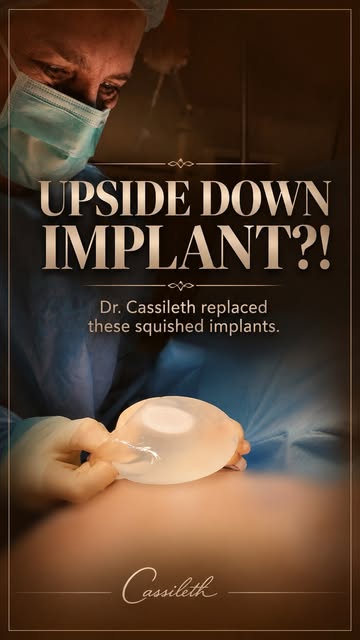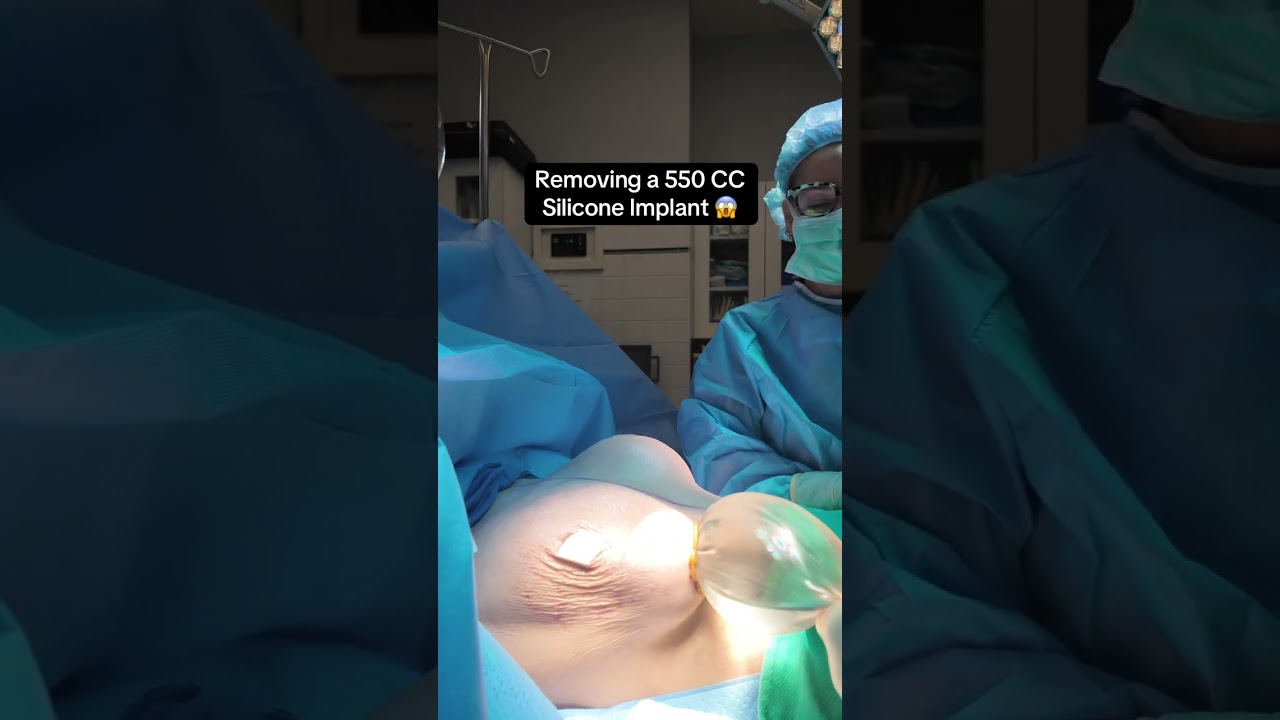
At The Practice Healthcare, breast implant removal, also called explant surgery, is planned around two questions: what is happening with your implants and the capsule of scar tissue around them, and how you want your breasts to look afterward.
Patients look into breast implant removal in Beverly Hills for reasons such as a ruptured implant, a hardened capsule, pain, or a personal decision that they no longer want implants.
We perform breast implant removal in Los Angeles at our on-site surgery center on Bedford Drive, and your surgeon assesses your implant, capsule, and breast shape, then explains what each option involves.

A ruptured saline implant deflates, immediately or over several days. Most silicone implant ruptures cause no symptoms, so your surgeon may recommend imaging, such as an MRI (magnetic resonance imaging) or ultrasound, to confirm a suspected rupture.
Some insurers cover removal when imaging confirms a silicone implant rupture.
Capsular contracture is a tightening and hardening of the scar tissue capsule that forms around an implant. Capsular contracture can make the breast feel firm, look distorted, or become painful. Surgeons grade severity on the Baker scale, and your surgeon reviews the capsular contracture treatment options with you.
Implants can sag, move out of position, or flip. Some patients also find that implants placed years ago no longer match their frame or lifestyle.
Breast implant-associated anaplastic large cell lymphoma (BIA-ALCL) is a type of non-Hodgkin’s lymphoma, a cancer of the immune system. As of June 30, 2024, the FDA had received 1,380 medical device reports of BIA-ALCL, including 64 deaths; 1,010 of those reports involved textured implants, compared with 40 involving smooth implants.
As of January 15, 2023, the FDA has also received 24 reports of squamous cell carcinoma in the capsule (BIA-SCC), plus 19 cases in published literature.
These reports are not incidence rates, so they cannot show how often either cancer occurs. If you have no symptoms, the FDA does not recommend removing implants solely because of concern about BIA-SCC or lymphomas in the capsule. If you notice swelling, a lump, or pain near an implant, contact your surgeon.
Breast implant illness (BII) is the term for symptoms such as fatigue, brain fog, and joint pain that some patients attribute to their implants. BII is not a formal diagnosis and has no single test, so your surgeon may recommend evaluation for other possible causes.
In a 2022 prospective study in Aesthetic Surgery Journal, most women with these symptoms reported at least partial improvement after explant surgery, but results vary, and improvement cannot be guaranteed.
You do not need a complication to consider removal. A change in lifestyle, in activity, or in how you feel about implants is a reason to discuss removal with your surgeon.

Explant surgery in Los Angeles includes several operations. Your surgeon recommends an approach based on the condition of your capsule, your implant type, and how you want your breasts to look afterward. Additional surgery may still be needed to refine your results or address complications.
Possible complications include bleeding, infection, fluid buildup (seroma), delayed wound healing, asymmetry, and changes in skin or nipple sensation.
Your surgeon removes the implant and leaves the capsule in place or removes part of the capsule. A capsulectomy, which removes the capsule, is more invasive than removal alone.
A capsulectomy removes some or all of the capsule along with the implant. Surgeons may consider a total capsulectomy, which removes the entire capsule, for capsular contracture or a ruptured silicone implant. A total capsulectomy is more invasive than removal alone and may carry higher risks.
An en bloc capsulectomy removes the implant and capsule as one intact unit.
A 2023 joint advisory from the International Society of Aesthetic Plastic Surgery, The Aesthetic Society, and the Aesthetic Surgery Education and Research Foundation names one absolute indication for en bloc removal: cancer in the capsule.
For other reasons, you and your surgeon may choose en bloc capsulectomy after informed consent.
A breast lift tightens stretched skin, reshapes the breast, and repositions the nipple. Your surgeon may combine breast implant removal and lift, although the lift adds scars and incision healing to your recovery.
Dr. Cassileth’s Pocket Lift repositions breast tissue to add lift and upper-breast fullness when enough tissue is available.
Fat transfer uses fat taken by liposuction from another area of your body to add volume, often to the upper part of the breast. The main limitation is less added volume than an implant provides, and some transferred fat may not survive so that you may need more than one session.
Some patients replace their existing implants with new ones through breast revision surgery instead of removal.

Dr. Cassileth, a board-certified plastic surgeon trained at the University of Pennsylvania, founded The Practice Healthcare. She was the first woman to serve as Chief of Plastic Surgery at Cedars-Sinai Medical Center for two consecutive terms. In 2015, she co-founded Bedford Breast Center.
Book with Dr. Cassileth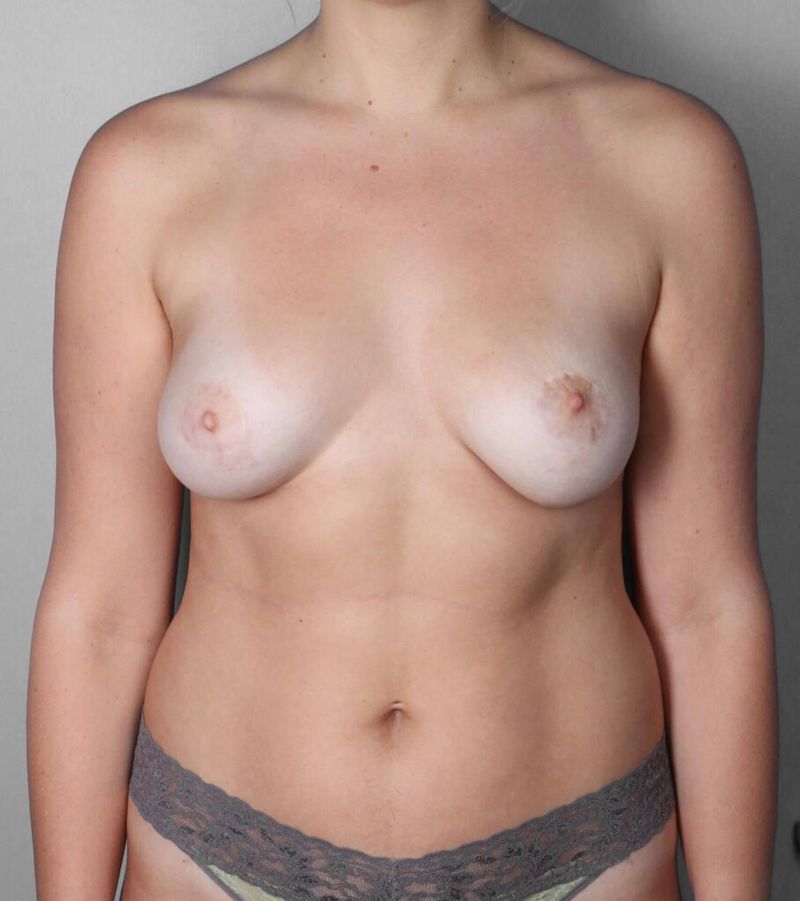 Before
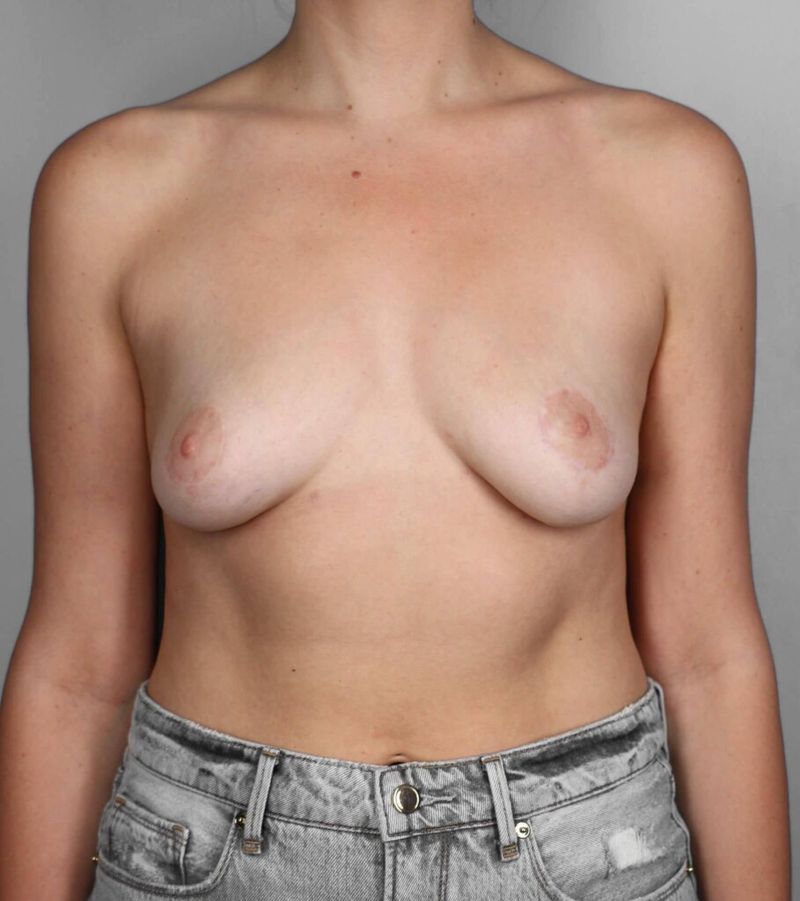 After
Dr. Killeen is double board-certified in plastic surgery and general surgery and specializes in complex breast revision and capsular contracture management. She is a principal investigator on multiple FDA clinical trials and a peer reviewer for several leading plastic surgery journals.
Book with Dr. Killeen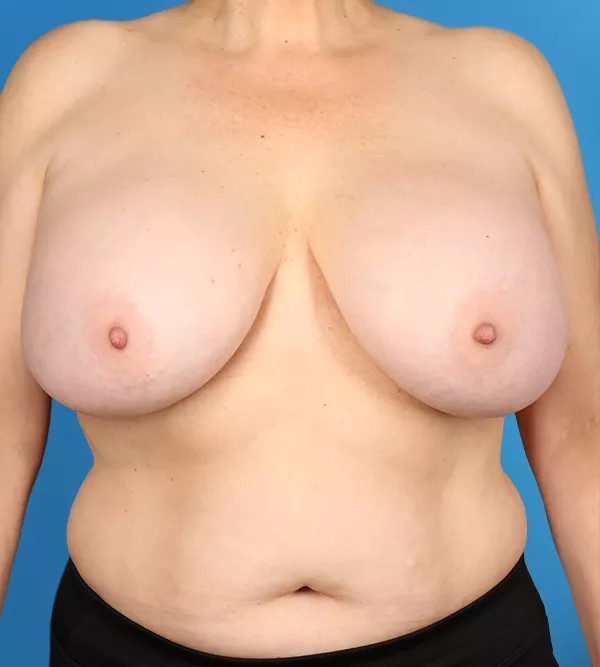 Before
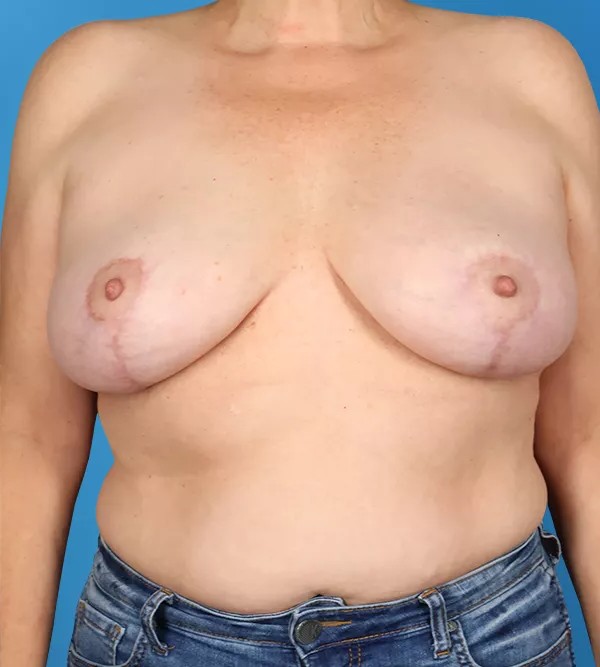 After

Dr. Azadgoli is board-certified by the American Board of Plastic Surgery and completed medical school and residency at the University of Southern California. Her breast surgery specialties include direct-to-implant reconstruction, implant revision, reduction, and augmentation.
Book with Dr. Azadgoli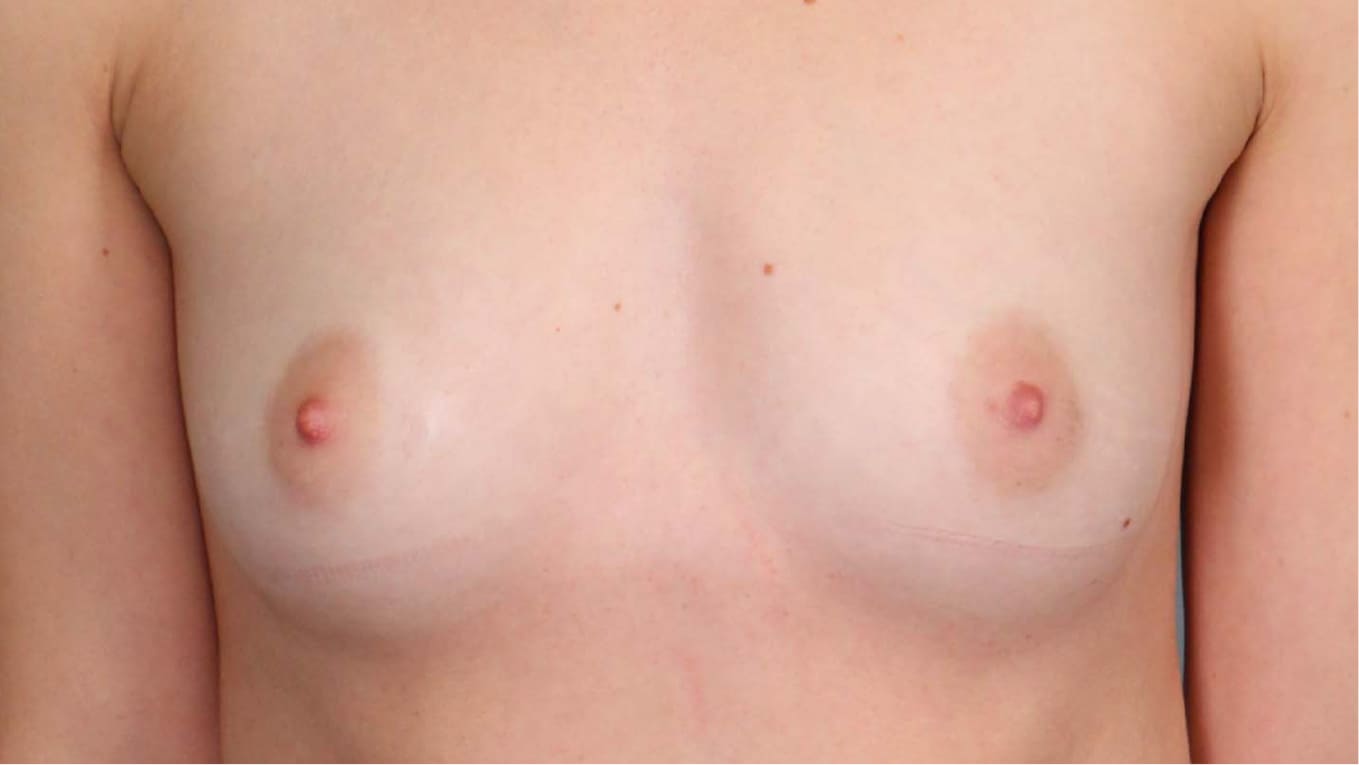 Before
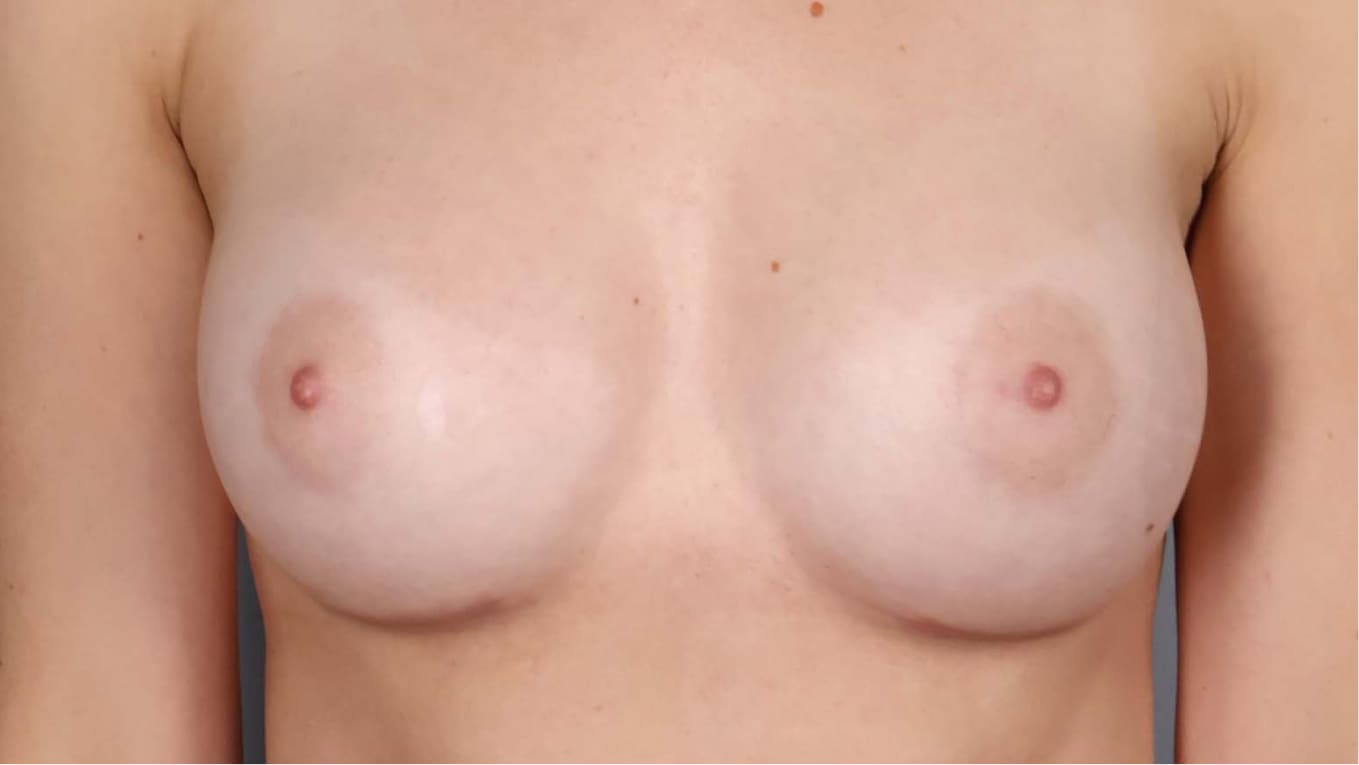 After
Insurance may cover breast implant removal, depending on the reason. Anthem (SURG.00023) and Cigna (Coverage Policy 0048) both list a silicone implant rupture confirmed on imaging, Baker Grade IV capsular contracture (the most severe grade, with a hard, distorted, painful breast), infection, and confirmed BIA-ALCL. Neither policy covers removal of a ruptured saline implant alone or removal for systemic symptoms attributed to implants. Coverage is broader when implants were placed for reconstruction after breast cancer surgery.
Our patient advocates verify your benefits, pursue pre-authorization, and give you a written estimate. Your insurer makes the final coverage decision. To see where you stand, take the insurance quiz.
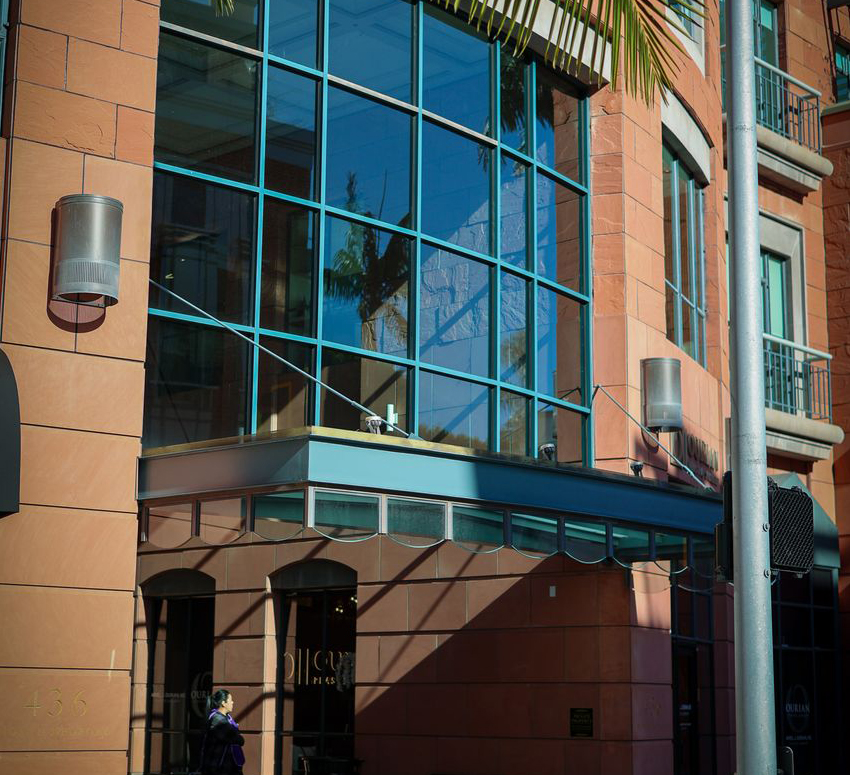
Your breast implant removal in Beverly Hills is performed at our independent ambulatory surgery center on Bedford Drive, recognized by Newsweek as one of California’s top ambulatory surgery centers. If your history or findings during surgery call for a closer look, your surgeon may send the capsule to pathology for laboratory testing.
Our Surgery Center →Your breast implant removal cost depends on what your surgery involves, from removal alone to removal with a capsulectomy, lift, or fat transfer. Cherry offers financing through our exclusive financing partner.
Breast implant removal recovery depends on what is done. Removal is performed under general anesthesia and typically takes one to three hours, and breast shape continues to settle over three to six months.
Hyperbaric oxygen therapy is available as an optional part of recovery. Ask your surgeon whether hyperbaric oxygen therapy, which increases the oxygen delivered to healing tissue, fits your plan.

You absolutely can take out a capsule and not take breast tissue off.
Every patient pictured was treated at The Practice Healthcare, and each caption names the procedure and the surgeon. The same results may not occur for all patients.
Before
After
Before
After
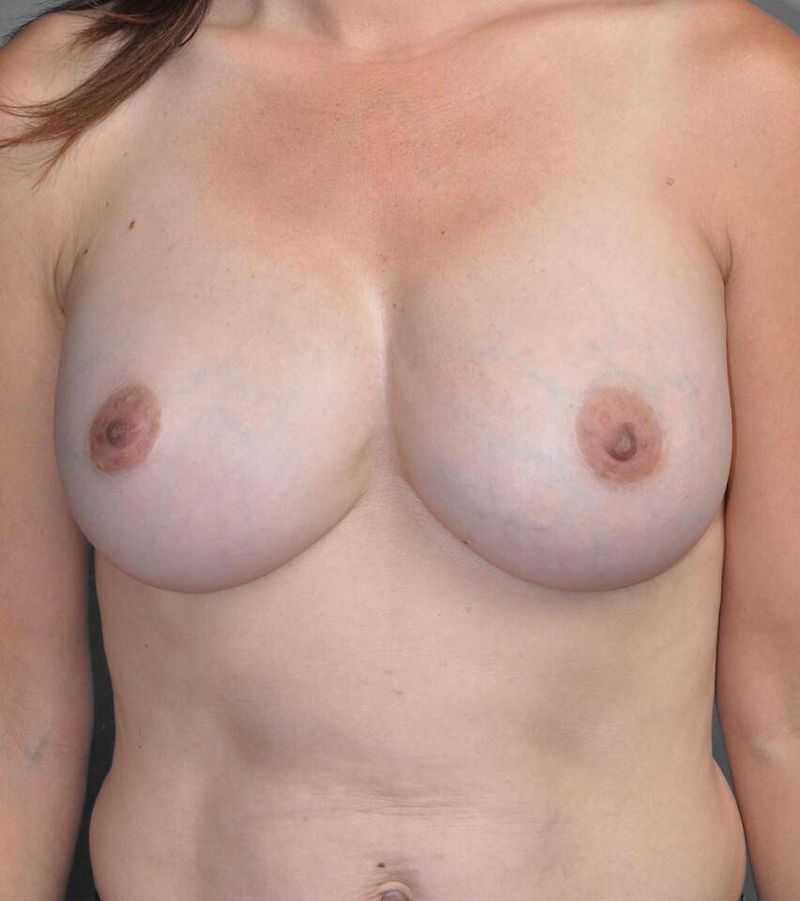 Before
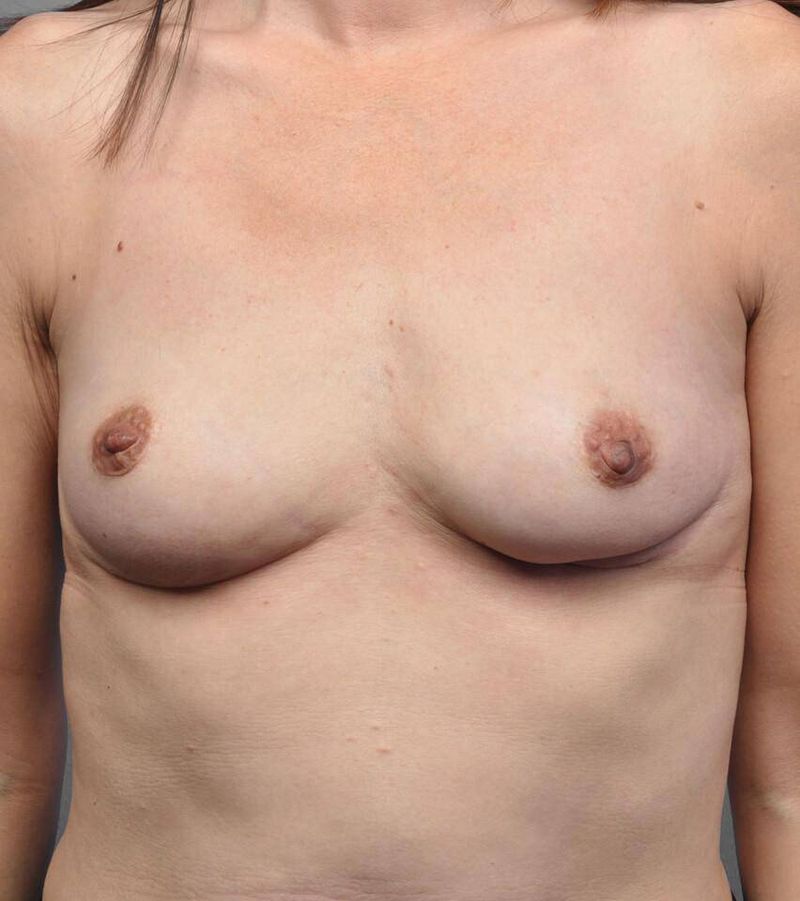 After

Start with how you want your breasts to look afterward. At your consultation, your surgeon reviews your implant history and any imaging, then explains your removal and capsule options and what each involves.
Breast implant removal, also called explant surgery, removes your implants and may include some or all of the surrounding scar tissue capsule. At The Practice Healthcare, breast implant removal in Beverly Hills typically takes one to three hours under general anesthesia. Additional surgery may still be needed to refine your results or address complications.
Insurance may sometimes cover breast implant removal. Anthem and Cigna policies both list a silicone implant rupture confirmed on imaging, Baker Grade IV capsular contracture, infection, and confirmed breast implant-associated anaplastic large cell lymphoma (BIA-ALCL). Neither covers a ruptured saline implant alone or symptoms attributed to implants. Your insurer makes the final coverage decision.
Breast implant removal cost depends on the operation you need. The American Society of Plastic Surgeons lists $3,979 as the average, which excludes anesthesia, operating room facilities, and other expenses, and a capsulectomy, lift, or fat transfer may raise the total. Every patient receives a written estimate of what is covered and what they owe.
An en bloc capsulectomy removes the implant and entire capsule together as one intact piece, while a total capsulectomy removes the entire capsule, possibly separately from the implant. Both are more invasive than implant removal alone and may carry higher risks, so your surgeon recommends an approach based on your capsule, implant type, and goals.
A 2023 joint advisory from three plastic surgery organizations names one absolute indication for en bloc capsulectomy: cancer in the capsule. For other reasons, en bloc removal is a choice made with your surgeon after informed consent, and a prospective study found similar symptom improvement across capsulectomy types. Your surgeon advises based on your capsule.
Breast implant removal and a breast lift can be performed together. A lift tightens stretched skin, reshapes the breast, and repositions the nipple, but it adds scars and incision healing to your recovery. At your consultation, your surgeon will assess your skin and breast tissue and explain your lift options.
Without an implant, your breasts have less volume, and the skin that stretched over the implant may be loose. Some patients choose implant removal alone, while others combine it with a breast lift or fat transfer to reshape the breast. At your consultation, your surgeon will assess your options and explain what each involves.
Some patients who attribute symptoms such as fatigue or joint pain to their implants, often called breast implant illness, report improvement after removal, but results vary, and improvement is not certain. Breast implant illness is not a formal diagnosis and has no single test, so your surgeon may also recommend evaluation for other possible causes.
Breast implant removal recovery varies with the extent of surgery. Swelling, bruising, and tightness are common in the first week. Many patients return to desk work in weeks two to three and gradually resume exercise in weeks four to six with their surgeon’s clearance, and breast shape may settle over three to six months.
Possible complications of breast implant removal include bleeding, infection, fluid buildup (seroma), poor healing of incisions, asymmetry, and changes in skin or nipple sensation. A capsulectomy is more invasive than removal alone and may carry higher risks. Additional surgery may still be needed to refine your results or address complications.
Your surgeon may send the capsule to pathology, meaning laboratory testing of the tissue, especially when your history or surgical findings call for a closer look. Testing helps document findings and rule out uncommon concerns. Before your operation, your surgeon explains what will be removed and what will be tested.
Patients looking for breast implant removal or explant surgery in Los Angeles can have it at The Practice Healthcare, 436 N. Bedford Dr., Suite 103, Beverly Hills, CA 90210, in our on-site surgery center. Call (310) 278-8200 to book a consultation; our office is open Monday to Friday, 9 a.m. to 5 p.m.