



Share this post


Rhinoplasty—commonly known as a “nose job”—has undergone a remarkable transformation over the past century. Once a procedure associated with significant downtime and limited customization, rhinoplasty has evolved into a sophisticated, highly individualized surgery with advanced techniques and improved outcomes. Today, patients seek rhinoplasty not only for aesthetic
enhancement but also for functional improvements that can significantly impact their quality of life.
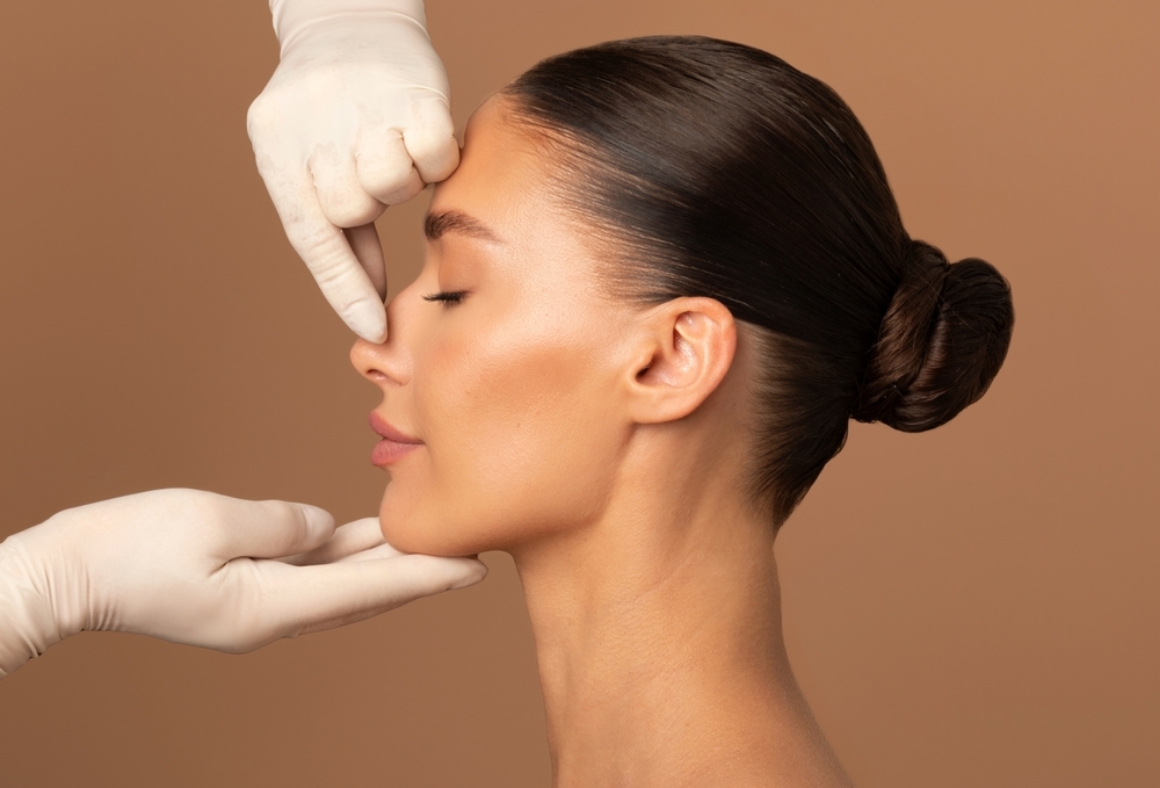
The roots of rhinoplasty date back thousands of years, with early documentation in ancient Egypt and India. However, modern rhinoplasty began to take shape in the late 19th and early 20th centuries, primarily as a reconstructive procedure for trauma or congenital defects. Early techniques were invasive and often produced unnatural or overly refined results.
The 20th century marked a pivotal shift in rhinoplasty philosophy—from a “one-size-fits-all” approach to a more nuanced, patient-centered process. Surgeons began to appreciate the importance of maintaining ethnic and facial harmony, focusing not only on appearance but also on preserving or improving nasal function.

Today’s rhinoplasty incorporates both open and closed techniques, each with distinct advantages:
In addition, structural rhinoplasty has largely replaced the older reductive methods, prioritizing support and long-term stability. This involves using cartilage grafts to reinforce the nasal framework rather than simply removing tissue.
For those seeking minor changes without surgery, non-surgical rhinoplasty—using dermal fillers to reshape the nose—has gained popularity. Though temporary, this technique offers immediate results with minimal downtime and is ideal for smoothing bumps, enhancing nasal symmetry, or refining contours.
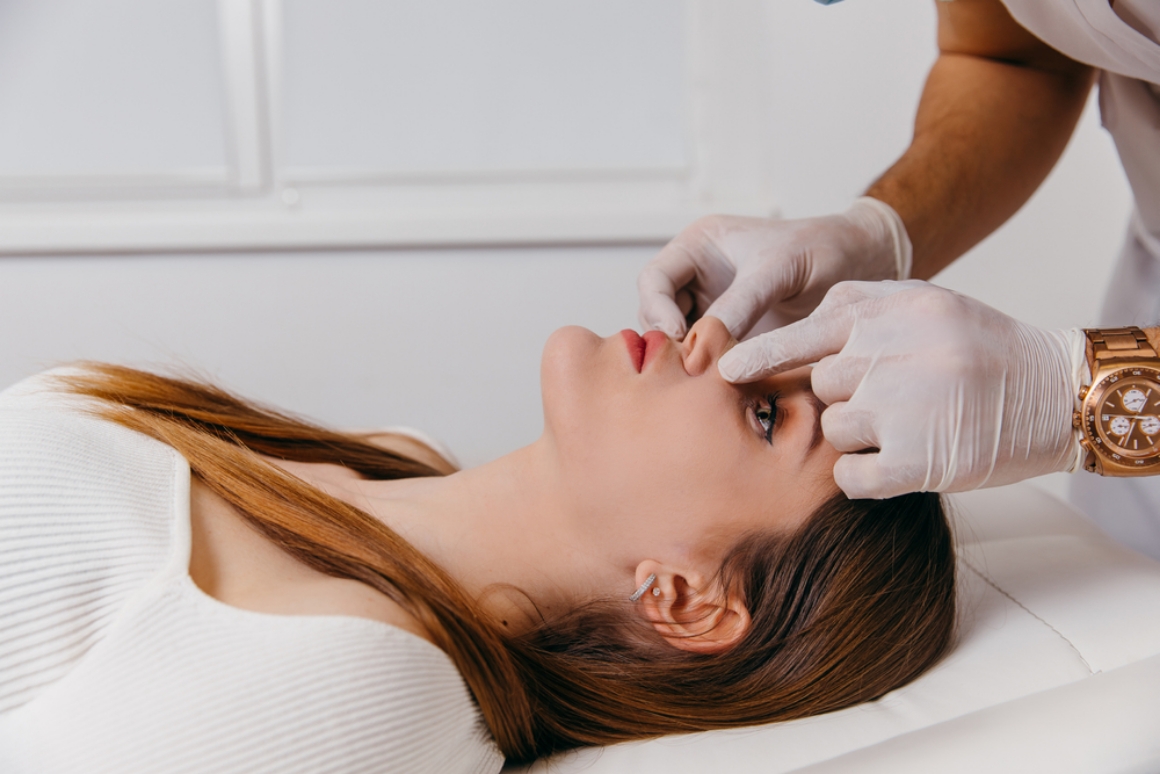
Modern rhinoplasty is now a fusion of art and science. Advances in 3D imaging, surgical planning, and anesthesia have enhanced safety, precision, and predictability. Patients benefit from:
As rhinoplasty continues to evolve, choosing a board-certified surgeon with expertise in both aesthetic and functional nasal surgery is crucial. Experience, artistic vision, and a deep understanding of nasal anatomy make all the difference in achieving the desired outcome.